
20 Best Localisation Strategy Company Examples in 2026
Quick Answer
The page is a 2026 roundup of 20 brand stories arguing that localisation is product, UX, payments, and law, not a translation pass. That thesis is sound. Several case facts are not: Spotify is not a China market, IKEA’s Saudi “no women” catalogue is a 2012 controversy IKEA later apologised for, and KFC China is far past “9,000+” outlets.
- 1 Localisation is product, UX, payments, and law, not a translation pass.
- 2 Study Grab, Shopee, KFC China, and Coca-Cola China. They rebuilt the offer, not just the words.
- 3 20 Best” is not a ranking. The “what can improve” notes are generic filler.
- 4 Do not copy the bad facts: Spotify is not in China, IKEA Saudi is a 2012 scandal, KFC China is well past 9,000 stores.
- 5 Treat “NMT is 95% accurate” as marketing. Use AI for volume; keep humans on brand and high-risk text.
In This Article:
- Understanding Localisation Strategy
- 20 Best Localisation Strategy Company Examples (+ Micro-Lessons)
- AI in Localisation: From Experiments to Reality
- Aspects to Consider When Planning for Localisation
- Why a Strong Localisation Strategy Matters
- Key Takeaway: 10 Tips to Build a Successful Localisation Strategy
- Measuring and Improving Your Localisation Strategy
- Planning for Localisation in Different Industries
- How to Order a Language & Localisation Service from Elite Asia
- Ready to Build Your Localisation Strategy?
What separates a global brand from a brand that simply sells in multiple countries? More often than not, the answer is a well-executed localisation strategy. From adapting menus to rewriting entire user experiences, the world's most successful companies do far more than translate — they transform.
This article breaks down 20 real-world localisation strategy company examples, unpacks the micro-lessons behind each one, and gives you a practical framework to build your own. Whether you are a business owner preparing for international expansion or a marketer looking to sharpen your approach, this guide has everything you need.
Understanding Localisation Strategy
A localisation strategy is a plan that a business follows to adapt its products, services, marketing, and communication to fit the language, culture, legal requirements, and expectations of a specific target market. It goes far beyond translation.
Think of it this way: translation changes words. Localisation changes meaning. A brand launching in Japan needs to rethink its visuals, tone, pricing, and even its customer service hours — not just its tagline.
What is a localisation strategy, exactly? It involves four core pillars:
- Linguistic adaptation — translating content into the local language with cultural nuance
- Cultural adaptation — adjusting images, humour, values, and references to fit local norms
- Technical adaptation — modifying currencies, date formats, payment methods, and device compatibility
- Legal adaptation — ensuring compliance with local data laws, advertising regulations, and consumer rights
A strong localisation strategy is not a one-time project. It is an ongoing investment that evolves as a market matures. Learn how Elite Asia helps businesses with website localisation the right way.
Need Translation Done Professionally? Elite Asia Can Help!
Your trusted language partner across Asia since 2006 — ISO 9001:2015 certified.
- Certified & legal translation — accepted by official authorities
- 30+ languages — by experienced native linguists
- Dedicated project manager — every project, on time
- One-stop service — translation, interpreting, marketing, localisation
20 Best Localisation Strategy Company Examples (+ Micro-Lessons)
1. Coca-Cola — "Share a Coke" Campaign

Key Micro-Lessons:
Coca-Cola's "Share a Coke" campaign replaced its iconic logo with common first names on bottles and cans. In Australia, it used individual names like "Emily" and "Jake." In China, it shifted to relationship titles like "Classmate" and "Best Friend" — honouring the cultural preference for group identity over individualism.
Localisation Strategy:
Coca-Cola adapted not just the language but the emotional value proposition of the campaign per market. They ran region-specific microsites, digital kiosks, and social media activations aligned to local cultural moments.
What Can Improve:
In markets where personalisation was limited to a short list of names, many consumers felt excluded. A more dynamic, user-generated personalisation engine could deepen engagement across all demographics.
2. Netflix — Hyper-Localised Content Production

Key Micro-Lessons:
Netflix now operates in over 190 countries and produces original content in dozens of languages. Shows like Squid Game (South Korea) and Money Heist (Spain) were built for local audiences but crossed over into global hits — proof that deep localisation creates universal appeal.
Localisation Strategy:
Netflix localises the full user experience: user interface, payment methods, subtitle options, dubbing tracks, and even thumbnail images that differ by region. Their recommendation algorithm also serves content based on regional viewing patterns.
What Can Improve:
Some smaller regional markets still receive fewer local-language originals. Expanding production into Southeast Asian and African markets will be the next growth frontier.
3. McDonald's — Menu Localisation by Culture

Key Micro-Lessons:
McDonald's is a textbook localisation strategy example. The McAloo Tikki (India), Ebi Burger (Japan), Bubur Ayam (Malaysia/Singapore), and McArabia (Middle East) are all products of deep cultural market research.
Localisation Strategy:
McDonald's studies local taste preferences, dietary restrictions, and food traditions before entering any new market. Packaging, store design, and even promotional campaigns are tailored to regional aesthetics.
What Can Improve:
Speed of localisation rollouts can be inconsistent across franchise networks. Centralising a stronger localisation governance model would help maintain quality and consistency.
4. Airbnb — Building Trust Through Cultural Relevance

Key Micro-Lessons:
Airbnb operates across 220 countries with a platform available in 63 languages. In China, it allows sign-ups via Weibo and WeChat — social platforms that local users already trust. User-generated reviews and listings are automatically translated, creating a seamless cross-border experience.
Localisation Strategy:
Airbnb provides localised guides that recommend activities and points of interest specific to each city or region. This transforms it from a booking platform into a cultural concierge.
What Can Improve:
Airbnb's localised customer support is inconsistent across time zones. Investing in localised AI-powered chat support — trained on regional norms — would significantly improve the post-booking experience.
5. LEGO — Product and Partnership Localisation

Key Micro-Lessons:
LEGO creates region-specific product lines, such as Lunar New Year sets for Asian markets. In China, LEGO partnered with Tencent for digital integrations and collaborated with Alibaba and JD.com for e-commerce distribution.
Localisation Strategy:
LEGO's approach combines product adaptation, strategic local partnerships, and community investment — including education centres that integrate LEGO into school curricula across China.
What Can Improve:
Product localisation in markets like Southeast Asia is still limited. Expanding region-specific sets beyond China and Japan into Indonesia, Vietnam, and the Philippines could unlock significant growth.
6. Nintendo — Culturally Sensitive Game Adaptation

Key Micro-Lessons:
Nintendo adjusts in-game holidays, characters, and cultural references to match local traditions. In Animal Crossing, Halloween is replaced in markets where it is not widely celebrated.
Localisation Strategy:
Nintendo's localisation team handles not just language but cultural context, including adjusting in-game music, visual elements, and even storyline tone for different audiences.
What Can Improve:
Localisation timelines for Nintendo games are often long, causing delays in non-English markets. Investing in AI-assisted translation pipelines could speed up releases without sacrificing quality.
7. Spotify — Hyperlocal Audio Culture

Key Micro-Lessons:
Spotify curates market-specific playlists like Bollywood Butter (India), Afrobeats Heat (Nigeria), and OPM Hits (Philippines). Local artist promotion and regional chart systems give each market its own musical identity on the platform.
Localisation Strategy:
Spotify localises discovery algorithms, editorial playlists, and marketing campaigns by region. Podcast content is increasingly produced in local languages, and ad products are tailored for local business markets.
What Can Improve:
In some emerging markets, Spotify still lacks local payment integration and free-tier flexibility. More localised pricing models — like WeChat Pay integration in China — could support faster user growth.
8. Nike — Athlete-Driven Local Campaigns

Key Micro-Lessons:
Nike's localisation strategy centres on cultural identity through sport. In India, cricket campaigns feature local heroes. In Japan, campaigns focus on discipline and precision — values deeply embedded in Japanese culture. In the Middle East, Ramadan-themed collections have become annual fixtures.
Localisation Strategy:
Nike collaborates with local athletes, artists, and cultural figures to co-create campaigns that feel authentically local rather than globally imposed.
What Can Improve:
Nike's sizing and fit standards still default to Western norms. Developing region-specific fit guides or localised sizing for Asian markets would improve customer satisfaction and reduce return rates.
9. Apple — Localised UX Without Compromising Brand Identity

Key Micro-Lessons:
Apple localises Siri's voice, accent, and dialect per market. Arabic, Thai, and Turkish language support required extensive UI rebuilds. The App Store surfaces different app categories and rankings per region.
Localisation Strategy:
Apple's localisation strategy maintains a consistent premium aesthetic while adapting deep-level UX elements — keyboards, input methods, character rendering, and even privacy disclosures tailored to local legal requirements.
What Can Improve:
Apple Pay's rollout in emerging markets has been slow. Partnering with local fintech players to accelerate regional payment integration would improve market penetration.
10. IKEA — Catalogue and Store Localisation

Key Micro-Lessons:
IKEA adapts its famous product catalogue by region. In Saudi Arabia, women are removed from catalogue images in compliance with local customs. In China, room sets show apartment sizes consistent with urban Chinese living standards.
Localisation Strategy:
IKEA conducts home visits in each new market to understand how people actually live and use space. This informs not just marketing but product selection, store layout, and even in-store restaurant menus.
What Can Improve:
Digital localisation — particularly IKEA's app and AR room planner — lags behind its physical localisation. Expanding culturally relevant room templates in the app for Asian and Middle Eastern markets would strengthen the digital experience.
11. Starbucks — Flavour and Format Localisation

Key Micro-Lessons:
Starbucks serves Matcha Latte in Japan, Red Bean Frappuccino in China, and Teh Tarik-inspired drinks in Malaysia. Store formats also vary — smaller kiosk models for high-density urban areas in Asia, versus the large lounge formats popular in the US.
Localisation Strategy:
Starbucks positions itself differently across markets. In China, it is a luxury social space. In the US, it is a quick coffee stop. This deliberate repositioning per market is a masterclass in brand flexibility.
What Can Improve:
Starbucks' digital loyalty programme lacks full localisation in several Asian markets. Integrating with local super apps like Grab in Southeast Asia would drive deeper engagement.
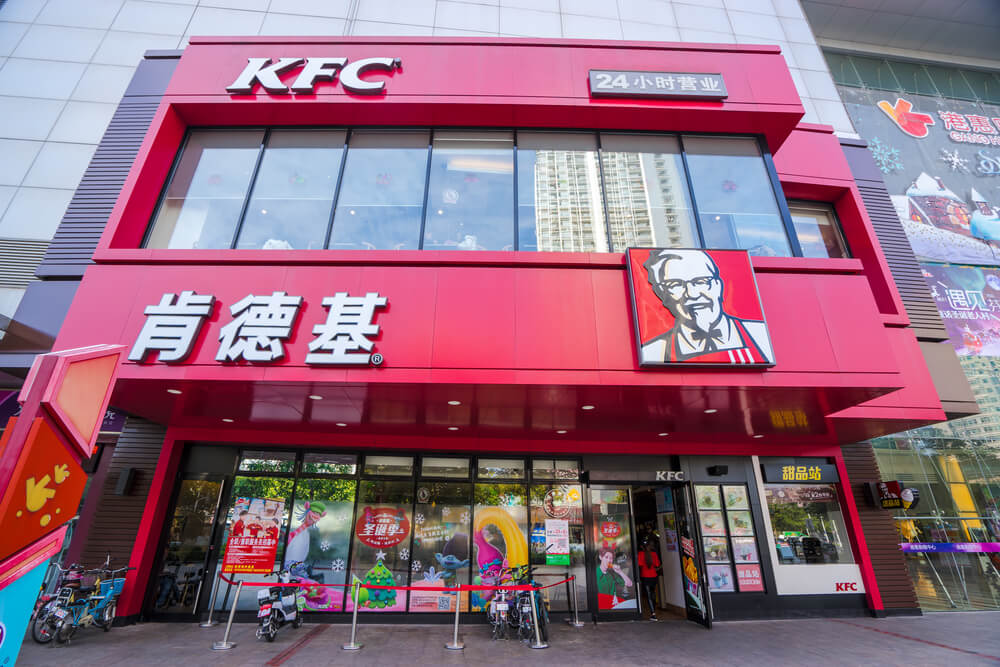
12. KFC — China-First Localisation Model
Key Micro-Lessons:
KFC China operates almost as a separate brand. With over 9,000 outlets, it dominates the fast food market by offering congee, egg tarts, and rice meals alongside its classic menu.
Localisation Strategy:
KFC China runs local R&D teams that continuously develop and test China-specific menu items. They have also integrated deeply with Meituan and Ele.me for delivery, and WeChat Pay and Alipay for payments.
What Can Improve:
KFC's localisation success in China has not fully transferred to other Asian markets. Applying the same data-driven, market-first localisation model in India and Southeast Asia could yield similar results.
13. Zara — Fast Fashion Localisation

Key Micro-Lessons:
Zara adjusts its product offerings and stock volumes by region. In the Middle East, modest fashion collections are expanded. In warmer markets like Singapore and Indonesia, seasonal winter collections are reduced and tropical fabrics are prioritised.
Localisation Strategy:
Zara's supply chain is built for speed and flexibility — allowing localised inventory decisions to be made on a rolling basis, not just per season.
What Can Improve:
Zara's in-store and app experience remains largely uniform across markets. A more personalised, localised digital shopping experience would increase conversion among price-sensitive emerging market consumers.
14. Grab — Born-Local, Scaled-Regional
Key Micro-Lessons:
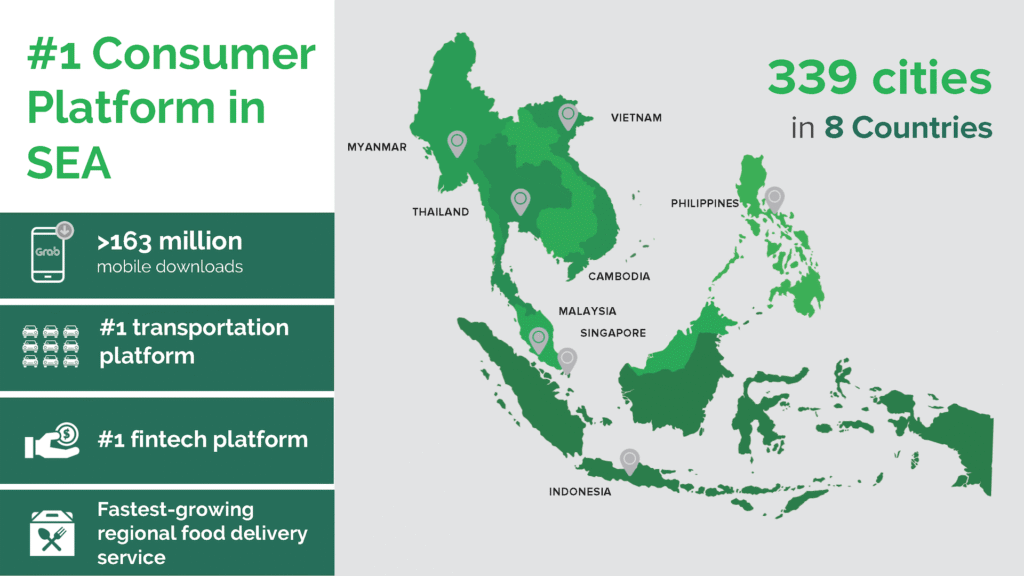
Grab started in Malaysia and became Southeast Asia's super app by localising deeply across eight countries. It supports over 10 local languages, integrates local payment systems, and adapts its services — from ride-hailing to food delivery to insurance — to each country's regulations and habits.
Localisation Strategy:
Grab's approach is "local by default." Every market has a localised product team, local payment integrations, and a unique service mix. For example, GrabTuk-Tuk operates in Cambodia, while GrabBike is prominent in Vietnam and Indonesia.
What Can Improve:
Cross-border localisation features — like multi-currency wallets and inter-country ride booking — are still limited. Expanding these would strengthen Grab's super-app proposition for regional travellers.
15. Samsung — Deep Hardware and Software Localisation

Key Micro-Lessons:
Samsung produces localised hardware variants — dual-SIM phones for South and Southeast Asia, stylus-optimised models for markets that use handwritten input, and camera systems tuned for skin tone diversity in specific markets.
Localisation Strategy:
Samsung's Bixby assistant is trained in local languages, dialects, and accents. Bixby in Korean performs at a meaningfully different level than in English, reflecting the depth of Samsung's investment in its home market.
What Can Improve:
Samsung's software update cycles are inconsistent globally. Markets in Southeast Asia and Africa often receive updates months after Western markets — a gap that affects user satisfaction and brand loyalty.
16. Google — Search and AI Localisation at Scale

Key Micro-Lessons:
Google Search serves results tuned to local language, context, and even political and regulatory environments. Google Maps includes local language name rendering, local business categories, and even transit integration with market-specific systems.
Localisation Strategy:
Google localises at the data layer — training its AI models on local language corpora, adapting Google Translate with regional dialect support, and customising Google Pay for local banking APIs.
What Can Improve:
In markets with lower internet penetration, Google Lite products have helped. But further localisation of AI tools like Gemini into regional languages with strong written or oral traditions (e.g., Javanese, Yoruba, Tamil) remains an opportunity.
17. Shopee — E-Commerce Localisation in Southeast Asia
Key Micro-Lessons:
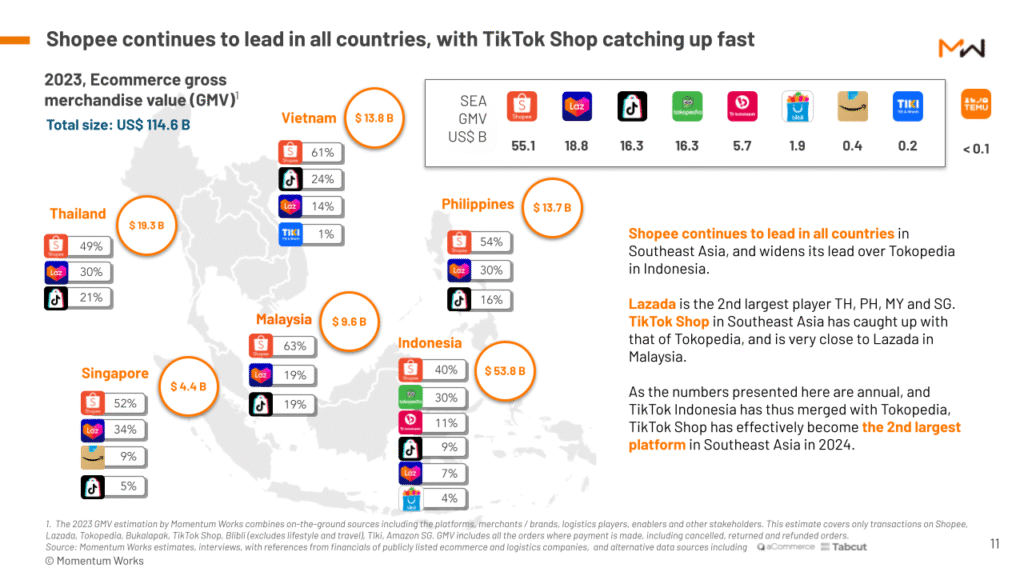
Shopee dominates Southeast Asian e-commerce by building market-specific experiences from the ground up. Its flash sale events, like Shopee 11.11, are timed to local shopping cultures. Localised customer service, cash-on-delivery options, and vernacular language product listings make it highly accessible.
Localisation Strategy:
Shopee's gamified shopping experience — including Shopee Coins and in-app games — is adapted to each market's user behaviour, with country-specific reward structures and local celebrity endorsements.
What Can Improve:
Shopee's cross-border shopping features could benefit from stronger localised trust signals — such as verified local reviews in regional languages — to increase buyer confidence when purchasing from overseas sellers.
18. Duolingo — Gamified Language Learning, Locally Tuned
Key Micro-Lessons:
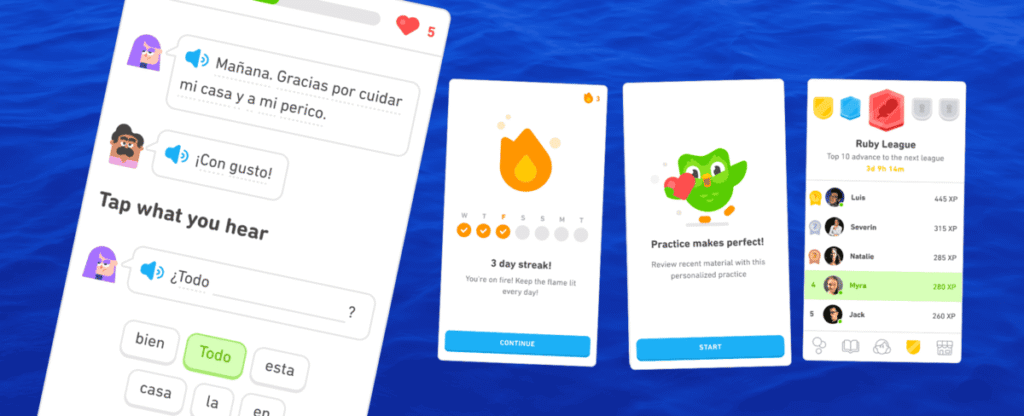
Duolingo's courses are not just translated — they are rebuilt to reflect how speakers of each language actually learn. Cultural references, example sentences, and even the Duo mascot's personality are tuned to feel locally relevant.
Localisation Strategy:
Duolingo uses localised marketing campaigns that reference culturally relevant events (e.g., Día de los Muertos promotions in Mexico) and runs A/B testing across different markets to optimise engagement by region.
What Can Improve:
Duolingo's localisation for some Asian languages — particularly those with complex scripts like Thai or Bengali — can feel surface-level. Deeper community involvement in course design would significantly improve learning quality.
19. Adobe — Software and Pricing Localisation
Key Micro-Lessons:
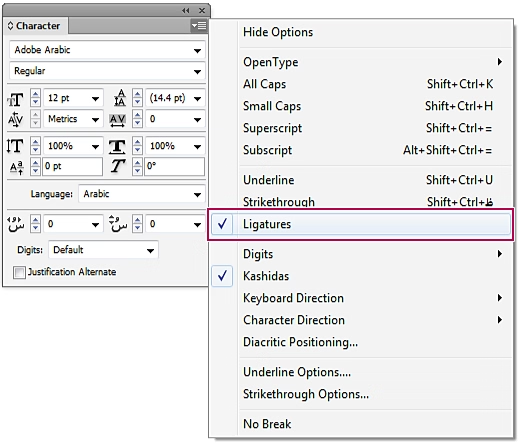
Adobe Creative Cloud offers localised pricing in purchasing power parity with certain markets, making tools more accessible to designers in emerging economies. Language support in Photoshop includes complex scripts like Arabic (right-to-left) and Thai.
Localisation Strategy:
Adobe's localisation extends to community-building — regional user groups, local-language tutorial content, and Adobe Max events hosted in different countries. This creates a sense of belonging beyond the product itself.
What Can Improve:
Adobe's AI tools (like Adobe Firefly) are trained primarily on Western visual aesthetics. Expanding training datasets with culturally diverse visual references from Asia, Africa, and Latin America would improve relevance for local designers.
20. WhatsApp — Communication Localisation at Grassroots Level
Key Micro-Lessons:
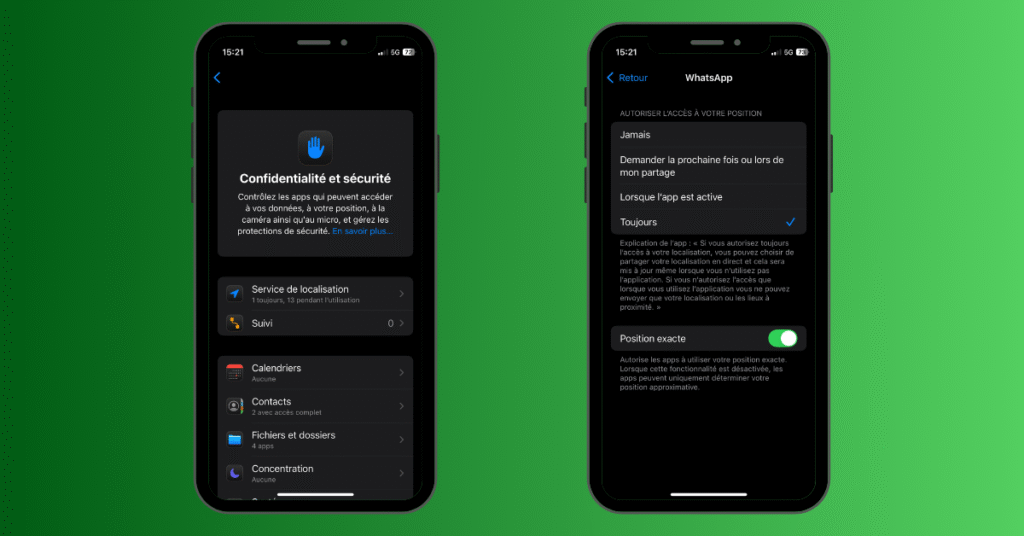
WhatsApp succeeded in markets where SMS was expensive or unreliable by offering a free, data-light messaging alternative. In India, it became the default communication layer for families, businesses, and even government services.
Localisation Strategy:
WhatsApp supports 60 languages, integrates local voice message norms (heavily used in Brazil and the Middle East), and has built WhatsApp Business features specifically designed for informal economy businesses common in Southeast Asia and Africa.
What Can Improve:
WhatsApp's in-app payment feature (WhatsApp Pay) has had a slow rollout due to regulatory hurdles. Accelerating local compliance processes and partnering with regional financial regulators could unlock this feature globally faster.
Other Related Articles:
AI in Localisation: From Experiments to Reality
Artificial intelligence has shifted from being a localisation experiment to a core operational tool. In 2026, the question is no longer whether to use AI in localisation — it is how to use it well.
Current AI applications in localisation include:
- Neural Machine Translation (NMT) — AI engines that now achieve over 95% accuracy for major language pairs, dramatically reducing turnaround time
- AI-powered quality estimation — Tools that score translation quality without requiring a human review at every stage
- Multilingual content generation — Large language models that draft localised content from a source brief, with human editors refining the output
- Real-time localisation — AI enabling live multilingual customer support, reducing response times across global markets
However, AI still struggles with nuance, cultural humour, idiomatic expressions, and low-resource languages. The smartest approach in 2026 remains a human + AI hybrid model, where AI handles volume and humans handle cultural depth. Find out more about software localisation practices that balance AI and human expertise.
Many brands are now integrating localisation directly into their content pipelines, ensuring that global content is created with localisation in mind from day one rather than adapted after the fact — a practice known as localisation-first content strategy.
Aspects to Consider When Planning for Localisation
Before diving into a localisation project, businesses need to evaluate several key dimensions:
- Target market research — Who is your audience, and what are their cultural norms, buying habits, and language preferences?
- Language pair complexity — Some language pairs (e.g., English to Thai) require more significant UI redesigns than others
- Legal and regulatory compliance — Data privacy laws, advertising standards, and labelling requirements vary by country
- Content volume and type — How much content needs to be localised? Is it technical, marketing, or legal?
- Technology infrastructure — Does your CMS, app, or platform support multi-language deployment, right-to-left scripts, and locale-specific formatting?
- Budget and timeline — Localisation done well requires investment; rushed projects often produce culturally inaccurate results
- Local partnerships — Do you have local partners, cultural advisors, or native linguists who can validate the quality of your localised content?
A strong localisation plan also accounts for post-launch iteration. Markets evolve, language usage shifts, and consumer expectations change — which means your localisation strategy should include a cycle of regular review and improvement.
Why a Strong Localisation Strategy Matters
A localisation strategy is not a marketing luxury — it is a growth necessity. Here is why it matters deeply for businesses expanding internationally:
- It builds consumer trust. Research consistently shows that consumers are significantly more likely to buy from websites in their native language. When people can read, navigate, and pay in a way that feels familiar, conversion rates improve substantially.
- It protects brand reputation. Poor localisation — whether a mistranslated tagline or a culturally offensive image — can damage brand perception irreversibly. A structured strategy reduces these risks.
- It drives competitive advantage. In markets where competitors have not localised well, a brand that invests properly in cultural adaptation can win customer loyalty quickly.
- It maximises marketing ROI. Localised campaigns consistently outperform generic global campaigns in engagement, click-through rates, and sales conversions.
- It enables long-term market penetration. One-off translations lead to one-off results. A sustained localisation strategy allows a brand to deepen its market presence over time as it learns more about local consumers.
Key Takeaway: 10 Tips to Build a Successful Localisation Strategy
Use these ten principles as a practical checklist when building your own approach:
- Start with market research, not translation. Understand the cultural context before you touch a single word. Know your audience's values, digital habits, and purchasing behaviour.
- Hire native linguists with subject-matter expertise. A native speaker who does not understand your industry will produce technically correct but contextually weak translations.
- Localise your SEO, not just your content. Keywords, metadata, and search intent differ dramatically between languages and markets. Read Elite Asia's guide on how to boost your SEO with localisation.
- Adapt visuals, not just words. Colours, symbols, and imagery carry different meanings across cultures. What feels welcoming in one market can feel alarming in another.
- Integrate local payment methods. Whether it is GoPay in Indonesia, Paytm in India, or WeChat Pay in China, payment localisation is essential for conversion.
- Use a localisation-first content strategy. Design your source content with localisation in mind so that expansion is faster and less costly.
- Test in-market before full launch. Run pilot campaigns with real local audiences before a full rollout. User feedback from in-market testers catches problems that desk research misses.
- Build a localisation style guide per market. Document your approved terminology, tone, cultural dos and don'ts, and brand voice guidelines for each language market.
- Leverage AI strategically, not blindly. Use AI for speed and volume, but always apply human review for cultural accuracy — especially in high-stakes content like legal documents or brand campaigns.
- Measure, iterate, and improve. Localisation is not "set and forget." Track KPIs like regional conversion rates, bounce rates on localised pages, and customer support resolution times to identify gaps.
Measuring and Improving Your Localisation Strategy
The best localisation strategies are data-driven. Here is how to measure and continuously improve yours:
Metrics to track:
| Metric | What It Tells You |
|---|---|
| Regional conversion rate | How well localised content drives sales in each market |
| Bounce rate by locale | Whether landing pages feel relevant to local visitors |
| Time on page (localised vs. source) | Whether translated content holds user attention |
| Customer support ticket volume by language | Where localisation gaps create confusion |
| Search ranking by language market | Whether your multilingual SEO is working |
| Net Promoter Score (NPS) by region | How localisation affects customer satisfaction |
Improvement actions:
- Conduct regular linguistic quality audits with in-market reviewers
- Use heatmaps and session recordings on localised pages to identify UX friction
- Run A/B tests on localised headlines, CTAs, and imagery
- Hold quarterly localisation retrospectives to align internal teams and external partners
Planning for Localisation in Different Industries
Localisation needs vary significantly by sector. Here is a quick overview:
- E-commerce: Product descriptions, checkout flows, and customer reviews must all be localised. Payment methods, return policies, and shipping information need to reflect local norms and laws. Learn more about website localisation tips for a global-friendly presence.
- Software and Technology: UI strings, error messages, onboarding flows, and documentation all require localisation. Technical accuracy is essential — mistranslated error messages erode user trust quickly.
- Financial Services: Regulatory compliance is critical. Financial terms, disclaimers, and product descriptions must meet local legal standards in every market.
- Healthcare and Pharma: Accuracy is non-negotiable. Dosage instructions, contraindications, and patient information must be medically accurate and culturally appropriate for local audiences.
- Media and Entertainment:
Subtitling, dubbing, and content adaptation require both linguistic skill and cultural sensitivity. The Netflix and Nintendo examples above demonstrate best-in-class execution. - Marketing and Advertising: Transcreation — recreating a campaign's emotional impact rather than translating its words — is often required for advertising. Explore Elite Asia's marketing localisation services for international brands.
How to Order a Language & Localisation Service from Elite Asia
Whether you need document translation, website localisation, subtitling, or certified translation, ordering from Elite Asia is straightforward. You have two main paths to get started — via the Client Portal or by requesting a free quotation directly.
Step 1: Explore the Languages & Services Available
Visit the Elite Asia Languages page to browse the full range of languages and localisation services offered. Elite Asia supports over 70 languages, covering major Asian and European languages, through a network of more than 10,000 professional linguists.
Step 2: Choose Your Service Type
Select the service that matches your project needs:
- Content & Document Translation – for business documents, legal papers, and marketing materials
- Website Localisation – adapt your site for a new market
- Subtitling Localisation – for corporate videos, presentations, and training content
- Software/App Localisation – for digital products entering new markets
- Certified Translation – for immigration, legal, and official authority use
- Interpretation – for business meetings and conferences
- Copywriting & Transcreation – for culturally adapted marketing content
Step 3: Choose Your Ordering Path
You can place your order through either of these two options:
✅ Option A — Request a Free Quotation (Recommended for First-Timers)
Go to eliteasia.co/request-free-quotation/ and fill out the online form. Elite Asia is transparent about pricing — there are no hidden surcharges. Your rate will be determined by:
- Language pair required (e.g. English to Bahasa Indonesia)
- Complexity of the source content
- Number of source words or pages
- Required turnaround time
Choose between a Corporate or Personal request type on the form, and provide as much detail about your project as possible for the most accurate quote. If you need a quote urgently, call +65 6681 6717 during office hours (GMT+8, Mon–Fri, 9 AM–6 PM).
✅ Option B — Order via the Client Portal
Sign up for a free account at the Elite Asia Client Portal. Once logged in, you can upload documents, access AI-powered translation and subtitling tools, and communicate directly with the team — all in one place.
Step 4: Upload Your Files
Whether you go through the quotation form or the Client Portal, upload your source files so the Elite Asia team can review the scope and begin processing your project. Supported file formats include .DOCX, .TXT, and .SRT (for subtitles).
Step 5: Connect with the Team
Use the portal's Live Chat or reach the team directly via:
- 📧 Singapore: enquiry-sg@eliteasia.co | +65 6681 6717
- 📧 Hong Kong: enquiry-hk@eliteasia.co | +852 3904 1138
- 📧 Malaysia: enquiry-my@eliteasia.co | +60 3 9212 8558
Step 6: Confirm & Pay
Once the scope and pricing are agreed upon, proceed with payment. Elite Asia accepts PayPal and major credit cards online, with bank transfer available upon request. Payment via PayPal is secured with PCI Level 1 certification, the highest standard in the payment industry.
Step 7: Track Your Project & Receive Delivery
Use the Client Portal's real-time project tracking to monitor progress, download completed files, and view your full order history at any time. You will be notified of updates throughout the process until final delivery.
Your Multilingual Communication Partner in Asia
Elite Asia helps businesses communicate confidently across languages, markets, and cultures. Our team covers 30+ languages across Singapore, Malaysia, Hong Kong, Japan, South Korea, China, Taiwan, and Thailand, with full technical support, ISO 9001:2015 certification, and a dedicated MICE division ready to support your next multilingual project, meeting, or event.
Talk to Our Language ExpertsReady to Build Your Localisation Strategy?
Every brand on this list started somewhere. The difference between them and businesses that struggle in international markets often comes down to one thing: intentional, expert-led localisation.
If you are planning to expand into Asia or any global market, Elite Asia's localisation specialists are ready to help you build a strategy that goes beyond translation — one that truly connects with your audience.
Explore Elite Asia's Business Localisation Services →
Latest Articles on Localisation:



Frequently Asked Questions (FAQs)
1. What is this page actually for?
This page is a lead-generation explainer that uses 20 well-known company examples alongside Elite Asia service calls to action for website localisation, SEO, software localisation, Greater China markets and transcreation. Use it as a menu of localisation types, including menus, UX, payments, partnerships and transcreation. Do not rely on it as a source of current store counts, market-share data or market-entry facts.
2. Which company examples should an Asia B2B team study?
Study Grab and Shopee for “local by default” product, payment and marketplace design. KFC China is useful for local product R&D rather than simply importing global SKUs. Apple demonstrates how to adapt UX and legal disclosures without abandoning a core brand system. McDonald’s examples, such as Bubur Ayam and McAloo Tikki, illustrate food-culture adaptation. Treat older or market-specific examples, such as Spotify in China and IKEA Saudi Arabia in 2012, cautiously rather than using them as current operating models.
3. Are there only two types of localisation?
No. Linguistic and cultural localisation are important, but a complete localisation strategy also includes technical and legal localisation. Technical requirements can include currency, date formats, right-to-left layouts and payment methods. Legal requirements can include data protection, advertising rules and consumer law. For software and ecommerce, technical and legal issues are often where launches fail.
4. When should a company localise rather than just translate?
Localise when entering a new language market, when culture or regulation will not travel directly, or when an existing locale converts worse than the source market. This is especially important for food, finance, healthcare and advertising. If the task is a contract, label or UI string with little cultural context, translation plus appropriate quality assurance may be sufficient rather than a wider localisation strategy.
5. What should a team do after reading this?
Start with one priority market. Create a style guide, glossary and payment-and-legal requirements list before adapting copy. Localise search content and checkout flows, not only the homepage. Pilot the experience with in-market reviewers, then track conversion, bounce rate, support tickets and search rankings by locale. Use AI for scalable production work while keeping human specialists on brand voice, humour and high-risk content.
![Translation vs. Transliteration: Knowing the Differences [2026]](https://www.eliteasia.co/wp-content/uploads/2026/03/Translation-vs.-Transliteration-Knowing-the-Differences-2026-1024x536.jpg)

Last Modified:
Contact Us
Working across languages? Our team can support your company’s translation and interpretation needs. For business enquiries, get in touch to explore what fits your requirements.
Request a Quote