50 Most Unique and Beautiful Cultures Around the World in 2026
Quick Answer
Cultural traditions around the world number in the thousands, with 50 standout examples spanning every continent showing how communities preserve identity through ritual. These range from Japan’s cherry blossom-viewing hanami and Spain’s La Tomatina tomato fight to Peru’s Inti Raymi sun festival and Ghana’s Homowo feast. Estimates place the total number of distinct cultural groups worldwide between 3,800 and over 7,000, loosely tied to the planet’s roughly 7,000 spoken languages. In 2023 alone, UNESCO added over 50 new entries to its Intangible Cultural Heritage list.
Key Takeaways:
- Cultural diversity scale: The world hosts thousands of distinct cultural groups, with estimates ranging from 3,800 to over 7,000, closely mirroring the roughly 7,000 spoken languages globally.
- Festival variety: Traditions span rituals like Japan’s cherry blossom hanami, Spain’s tomato-throwing La Tomatina, and Peru’s sun-worship Inti Raymi festival.
- Global representation: The list of 50 traditions deliberately spans every inhabited continent, highlighting customs from Asia, Europe, the Americas, Africa, and Oceania.
- Heritage recognition: UNESCO actively documents and protects these practices, adding more than 50 new entries to its Intangible Cultural Heritage list in 2023 alone.
- Identity preservation: These traditions function as living mechanisms through which communities pass down values, history, and social bonds across generations.
In This Article:
- Culture and Tradition
- What is a Cultural Practice?
- What are Cultural Traditions?
- How is Technology Changing Cultural Customs?
- How Many Different Cultures are There?
- 50 Different Cultural Traditions Around the World
- Localisation Services and Cultural Traditions
- Translation, Localisation, and Cultural Traditions
- Immersion through UNESCO Sites
- Developing Cultural Awareness Outside of Travel
- 🌐 Ready to Connect Across Cultures?
Culture and Tradition
Culture is the shared way of life that connects people within a community. It includes language, beliefs, art, food, customs, and the values passed down through generations. Tradition, on the other hand, is the practice of those shared customs over time — the glue that keeps a culture alive and recognisable.
Together, culture and tradition shape how people see the world and relate to one another. They influence everything from daily greetings to major life events like weddings, funerals, and harvests. When we explore different cultures, we gain a deeper appreciation for the diversity that makes our world so extraordinary.
Understanding another culture’s traditions also plays a vital role in global communication. Whether you are travelling, doing business internationally, or simply expanding your worldview, cultural awareness helps you connect more meaningfully with others. Translation and localisation work hand in hand with cultural understanding — learn the key differences in Elite Asia’s guide on Translation and Localisation: What’s the Difference?
Need Translation Done Professionally? Elite Asia Can Help!
Your trusted language partner across Asia since 2006 — ISO 9001:2015 certified.
- Certified & legal translation — accepted by official authorities
- 30+ languages — by experienced native linguists
- Dedicated project manager — every project, on time
- One-stop service — translation, interpreting, marketing, localisation
What is a Cultural Practice?
A cultural practice is a shared activity or behaviour that a group of people perform regularly as part of their cultural identity. These can range from everyday habits — such as how you greet a stranger — to elaborate ceremonies that mark important life events.
Cultural practices are not random. They carry deep meaning, often rooted in history, religion, or geography. For example, the Japanese tea ceremony (chanoyu) is not simply about drinking tea — it is a meditative practice that reflects values of harmony, respect, purity, and tranquillity.
Some cultural practices are universal in theme but unique in expression. Virtually every society has practices tied to birth, coming of age, marriage, and death — yet each culture expresses these milestones in strikingly different ways.
What are Cultural Traditions?
Cultural traditions are customs and rituals passed from one generation to the next. They give communities a sense of identity and continuity, connecting the past to the present.
Traditions can be:
- Religious — such as Diwali in India or Eid al-Fitr across Muslim communities worldwide
- Seasonal — such as Japan’s cherry blossom viewing (hanami) or the Mid-Autumn Festival in China
- Social — such as the Spanish tradition of eating 12 grapes at midnight on New Year’s Eve
- Coming-of-age — such as the Quinceañera in Latin America or Bar/Bat Mitzvah in Jewish culture
- Agricultural — such as the rice harvest festivals across Southeast Asia
These traditions are far more than symbolic gestures. They reinforce community bonds, preserve history, and provide individuals with a sense of belonging. Understanding cultural traditions is deeply connected to effective Marketing Localisation — adapting messages to resonate with local customs and values.
Other Related Articles:
How is Technology Changing Cultural Customs?
Technology is reshaping how cultures are practised, shared, and preserved. Social media platforms, for instance, have allowed traditions to reach global audiences — a Korean hanbok fashion trend or a Mexican Día de los Muertos celebration can go viral and spark interest worldwide within hours.
At the same time, digital tools are helping preserve endangered cultural practices. Indigenous communities are using video archives, digital storytelling, and online language platforms to document and pass on traditions that might otherwise be lost. UNESCO’s digital preservation programmes actively support this work.
However, technology also poses risks. Globalisation and the internet can lead to cultural homogenisation, where dominant cultures overshadow smaller ones. It is therefore essential that technology is used as a tool for amplification rather than replacement. Businesses navigating multicultural digital spaces should read Elite Asia’s insight on Globalisation vs. Localisation: Definition & Key Differences in 2026.
How Many Different Cultures are There?
There is no single, agreed-upon number for how many cultures exist in the world. However, estimates suggest there are roughly 3,800 to over 7,000 distinct cultural groups globally, often loosely tied to the world’s approximately 7,000 spoken languages.
Each language typically represents a unique way of seeing the world — its own proverbs, concepts, and rituals. For example, the Japanese word wabi-sabi captures a cultural aesthetic of imperfect beauty that has no direct English equivalent.
The United Nations recognises 195 countries, but culture does not always follow national borders. Indigenous groups, diaspora communities, and regional subcultures mean that a single country can hold dozens of distinct cultural identities. For businesses aiming to communicate across these diverse groups, Internationalisation vs. Localisation (i18n vs l10n) is an essential read.
50 Different Cultural Traditions Around the World
🌏 Asia
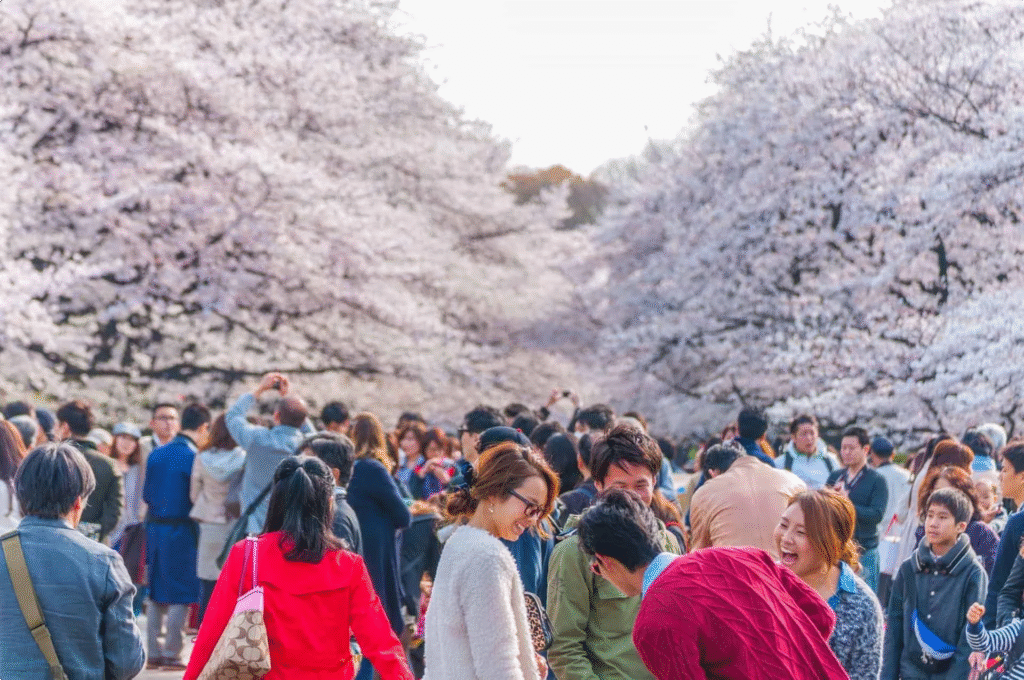
1. Japan — Hanami (Cherry Blossom Viewing)
Each spring, Japanese families and friends gather under blooming sakura trees to celebrate the beauty of nature and the fleeting quality of life.
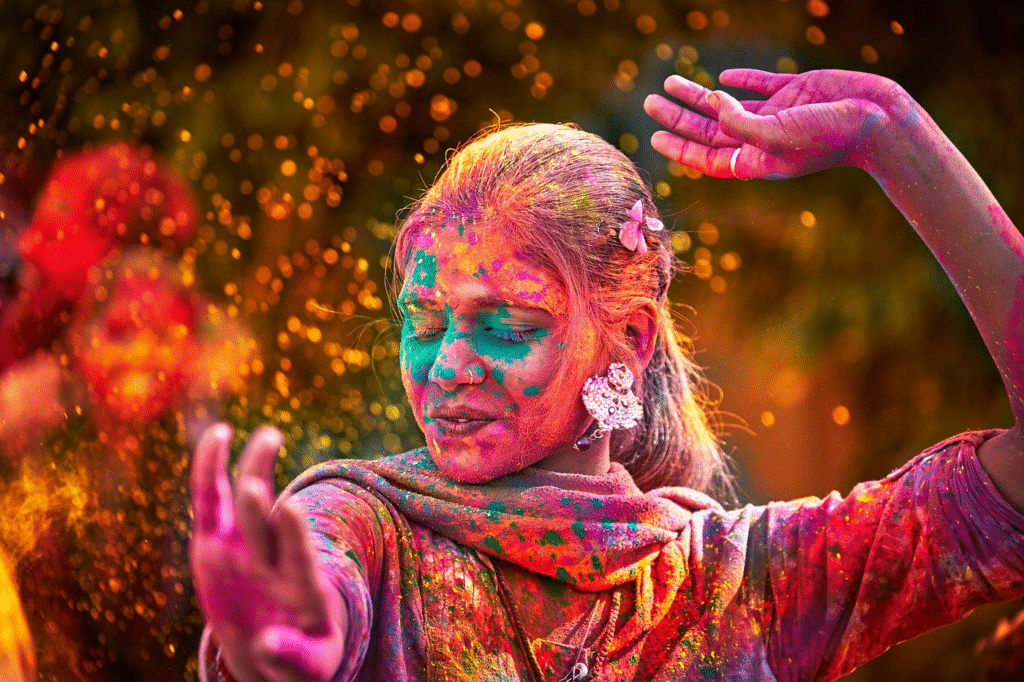
2. India — Holi (Festival of Colours)
A joyful spring festival where people throw brightly coloured powders at one another, celebrating the victory of good over evil.
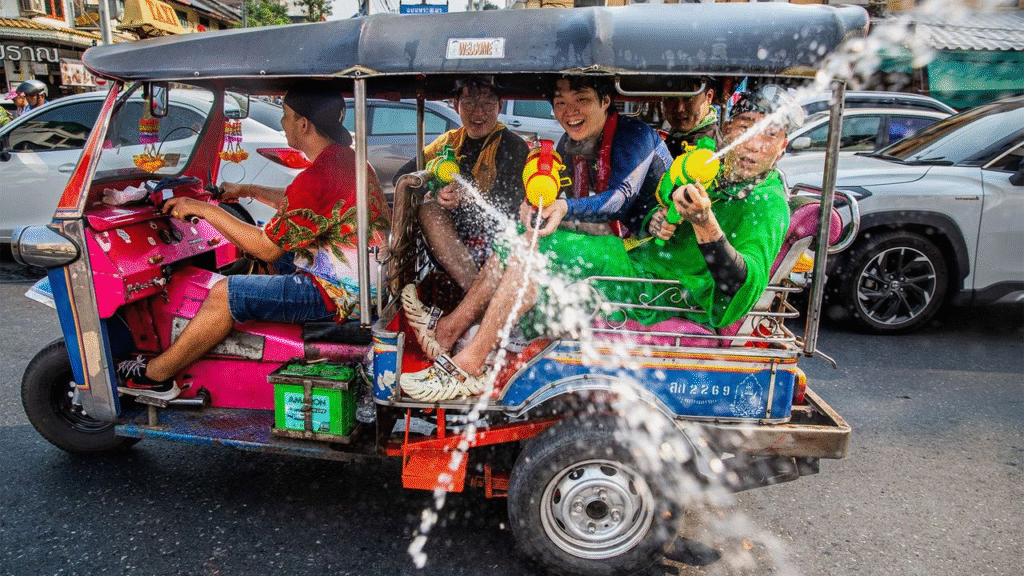
3. Thailand — Songkran (Water Festival)
The Thai New Year is marked with city-wide water fights, symbolising the cleansing of bad luck and the welcoming of a fresh start.
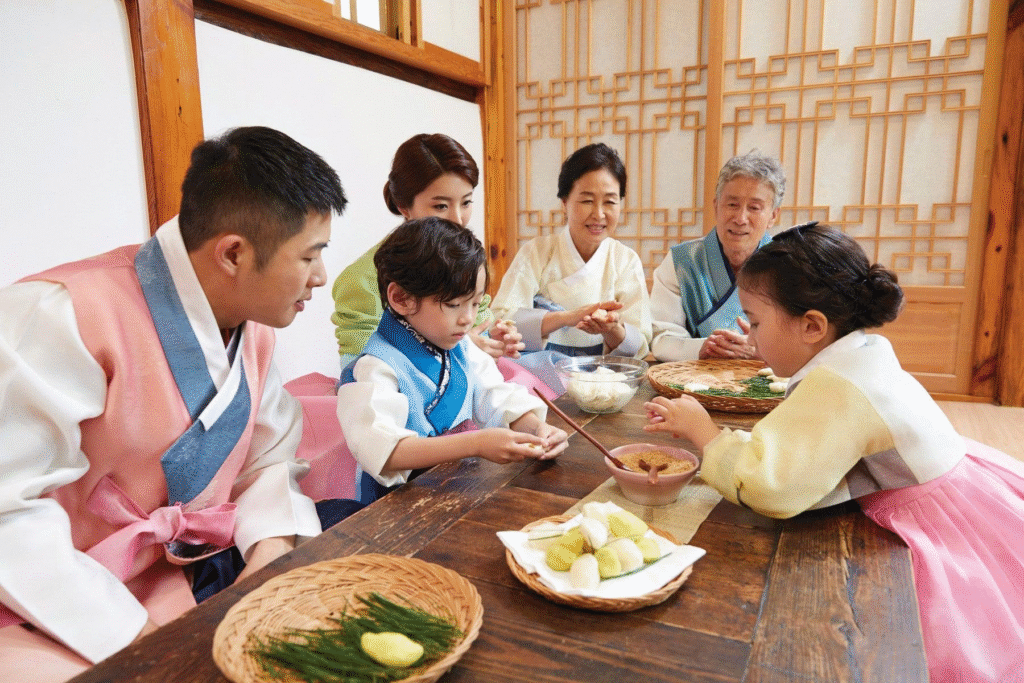
4. South Korea — Chuseok (Harvest Moon Festival)
Families gather to honour their ancestors with food offerings, traditional games, and the preparation of songpyeon rice cakes.
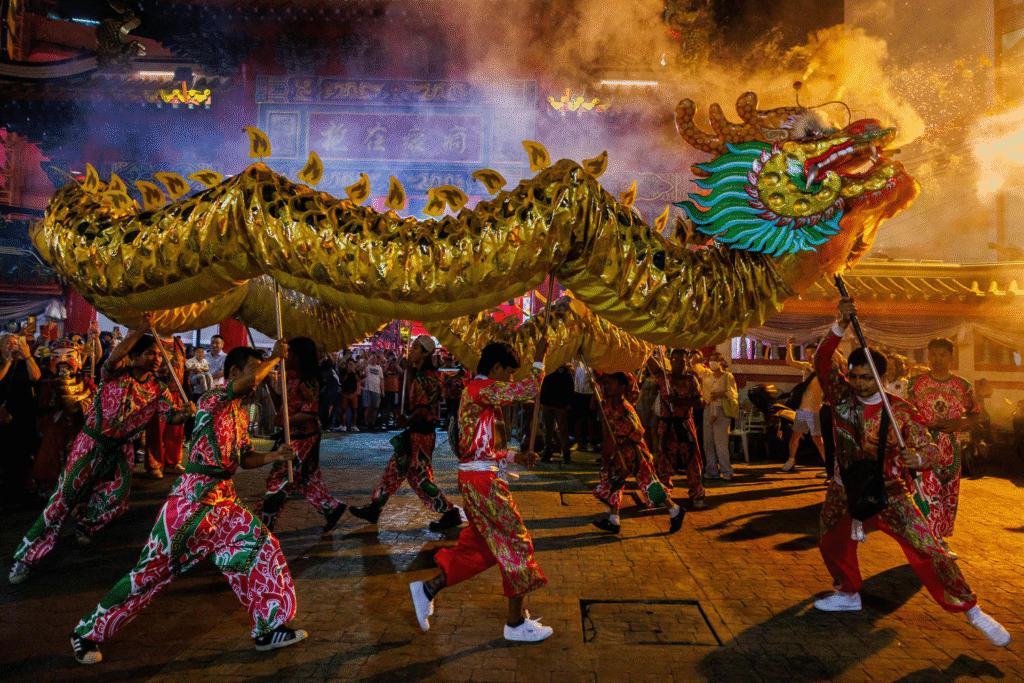
5. China — Lunar New Year
Celebrated with dragon dances, fireworks, and red envelopes (hongbao), the Lunar New Year is the world’s largest annual human migration event.
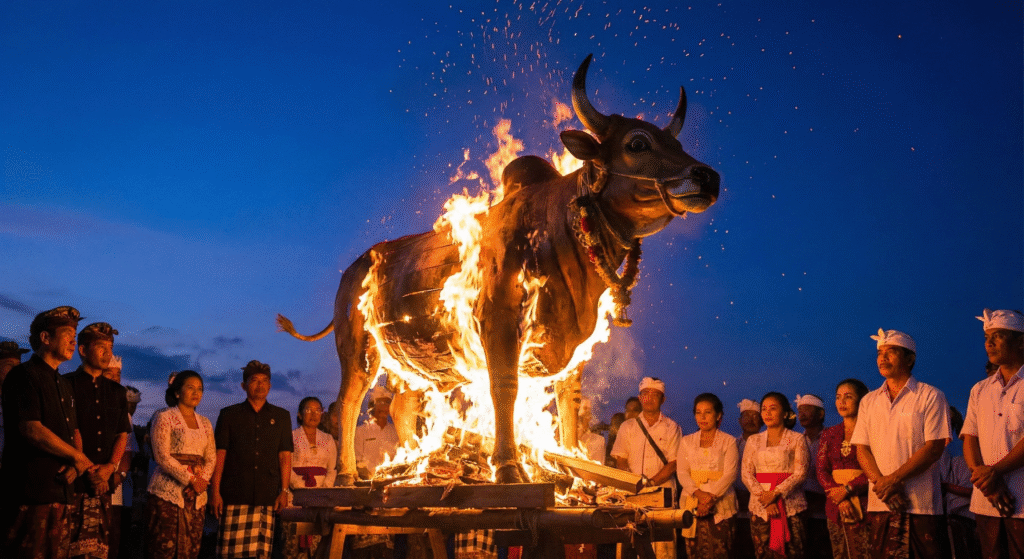
6. Indonesia — Ngaben (Balinese Cremation Ceremony)
An elaborate Hindu-Balinese ritual in which the body is cremated in an ornate tower to release the soul for reincarnation.
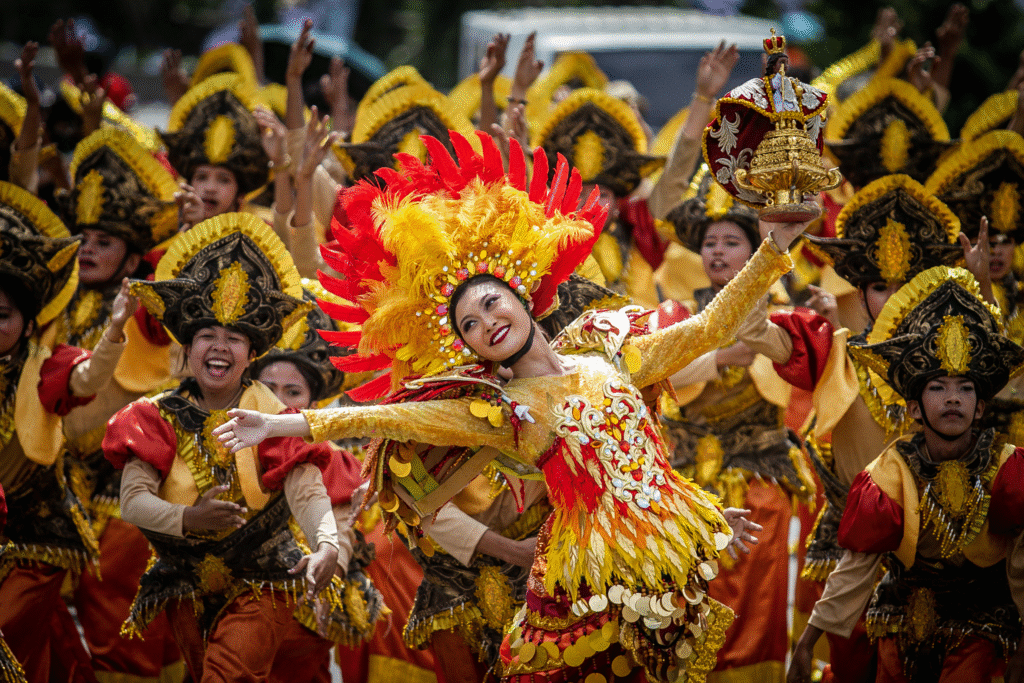
7. Philippines — Sinulog Festival
A grand street festival in Cebu honouring the Santo Niño (Holy Child), featuring colourful parades, music, and traditional dance.
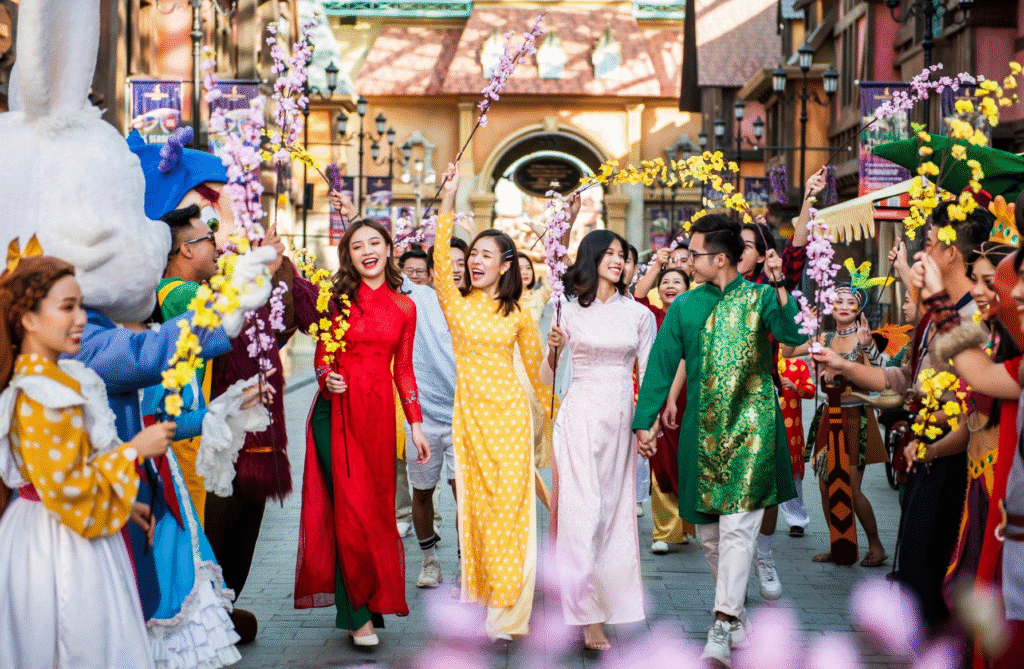
8. Vietnam — Tết (Vietnamese New Year)
Families clean their homes, visit ancestors’ graves, and prepare traditional foods like bánh chưng (sticky rice cake) to welcome the new year.
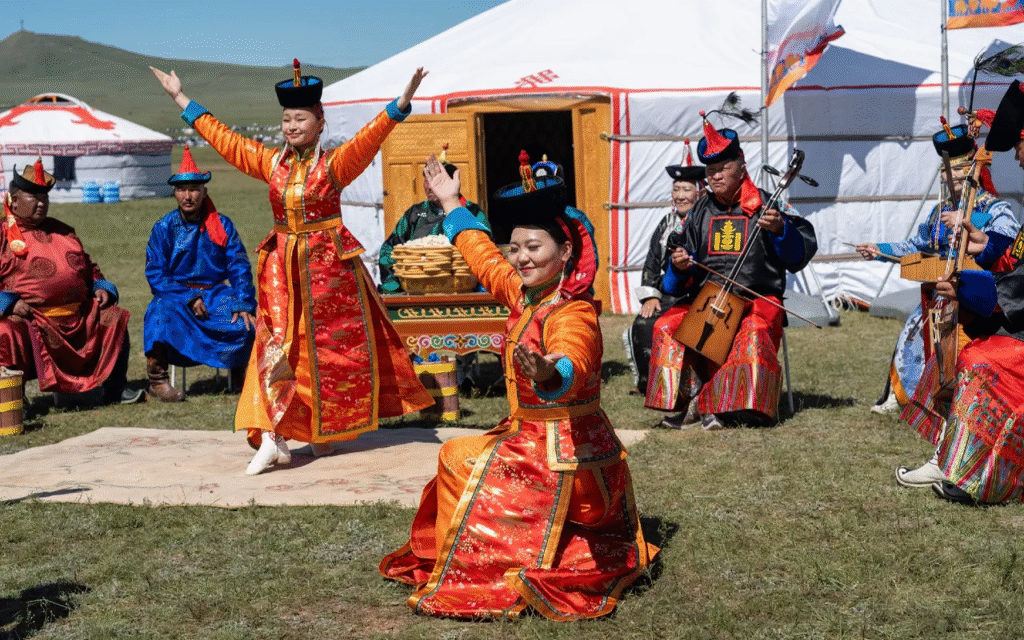
9. Mongolia — Naadam Festival
A celebration of the “Three Manly Games” — wrestling, archery, and horse racing — rooted in Mongolian warrior traditions.
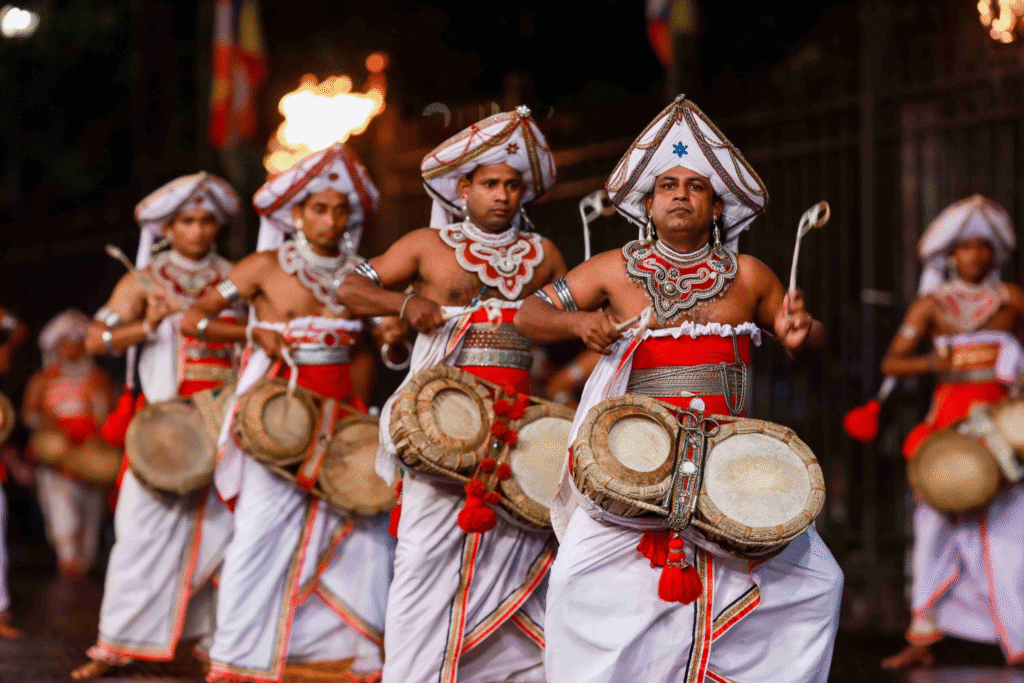
10. Sri Lanka — Esala Perahera
A dazzling Buddhist procession in Kandy featuring over 100 decorated elephants, fire-dancers, and drummers.
Communicating effectively across Asia’s diverse languages requires expert support — explore Elite Asia’s Translation and Interpretation Services today.
🌍 Europe
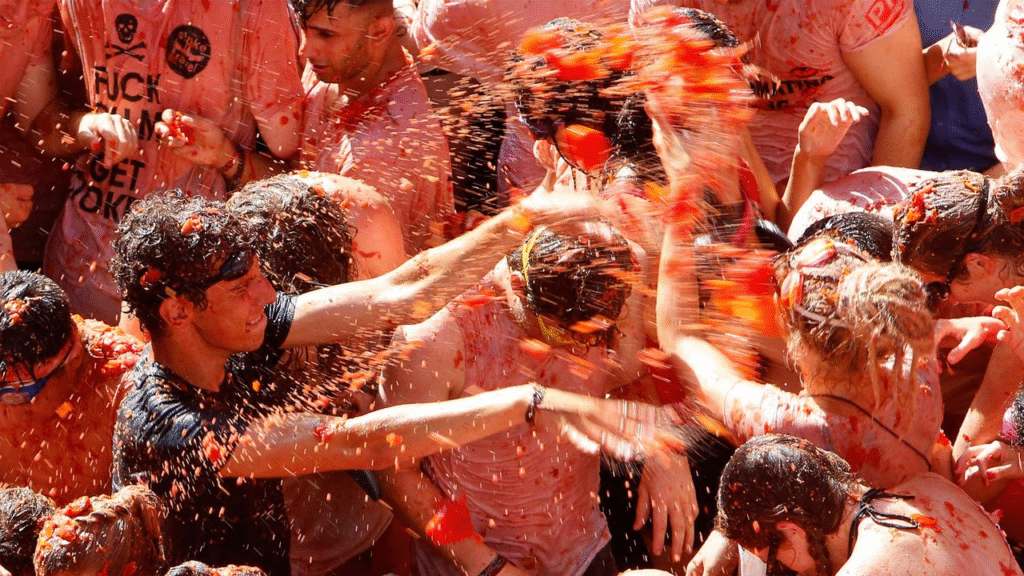
11. Spain — La Tomatina
Every August in Buñol, thousands of participants hurl ripe tomatoes at each other in a legendary food fight that dates to the 1940s.
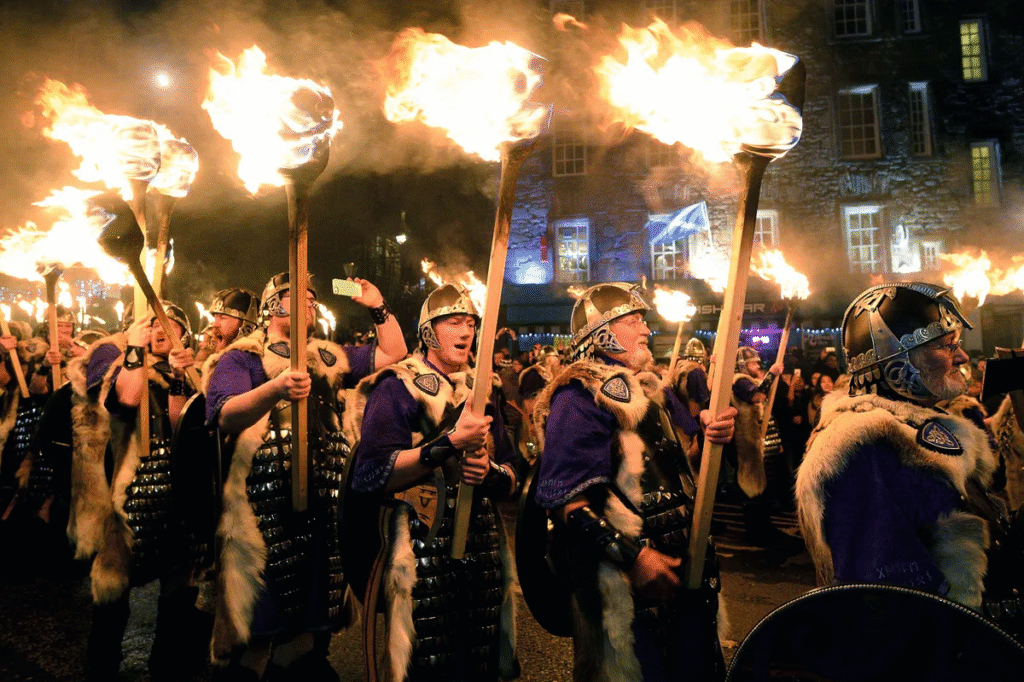
12. Scotland — Hogmanay (New Year Celebration)
The Scottish New Year celebration involves first-footing — the first person to enter a home after midnight brings gifts for good luck.
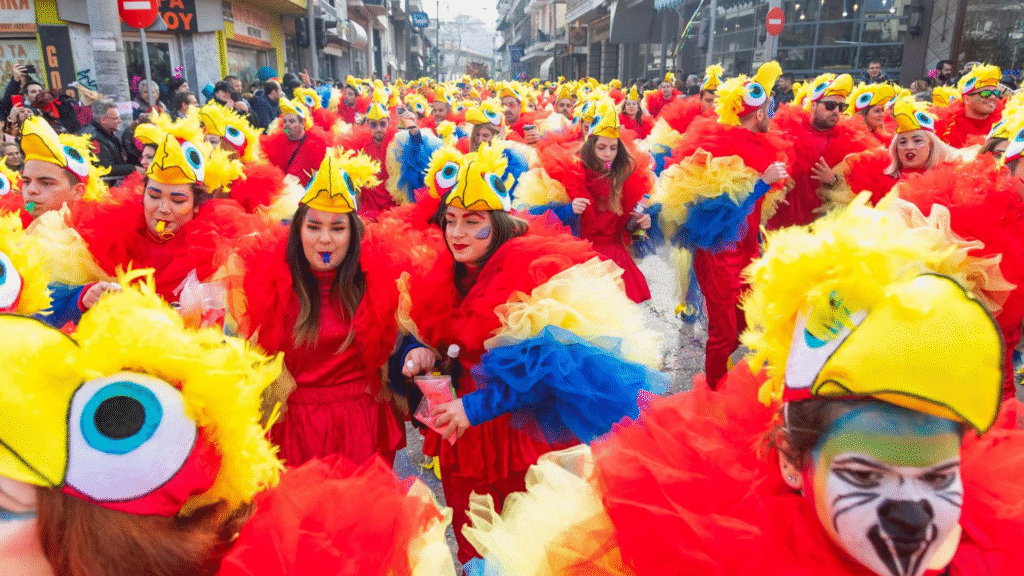
13. Greece — Apokries (Carnival)
A three-week pre-Lenten carnival featuring colourful costumes, parades, and satirical theatre, particularly vibrant in Patras.
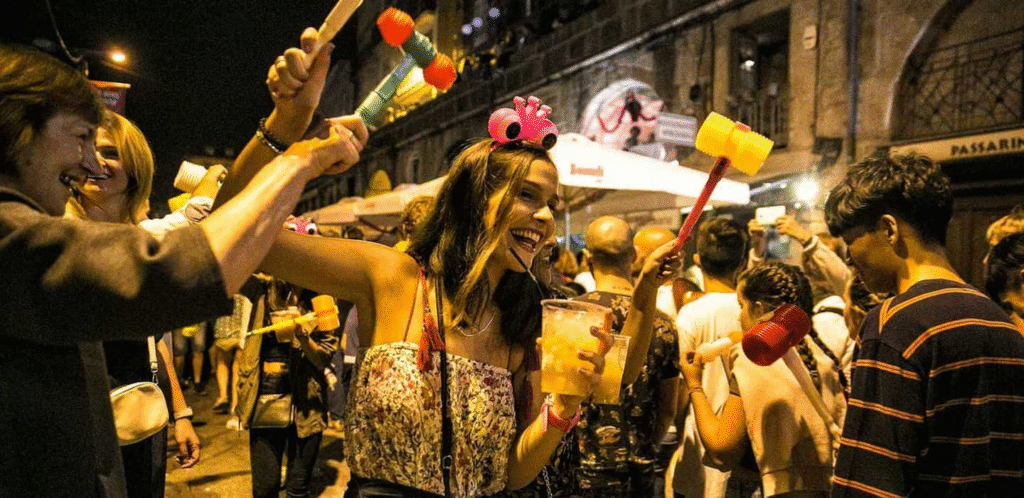
14. Portugal — Festa de São João (St John’s Festival)
In Porto, people celebrate with grilled sardines, folk music, and the playful tradition of hitting strangers on the head with soft plastic hammers.
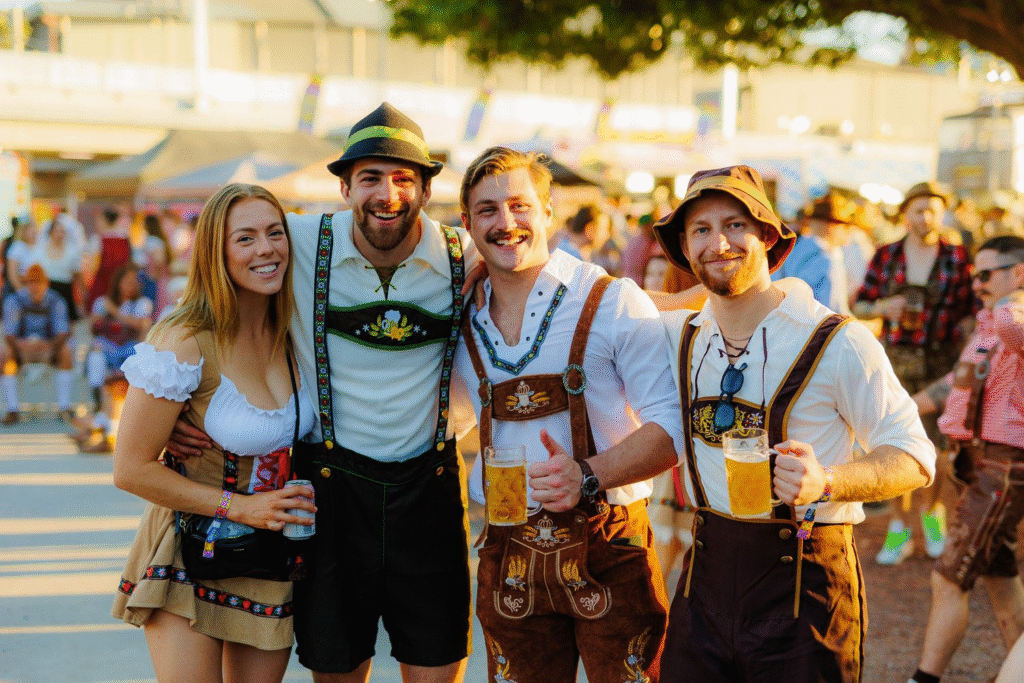
15. Germany — Oktoberfest
The world-famous Bavarian beer festival, held annually in Munich, celebrates German folk culture with traditional costumes, music, and cuisine.
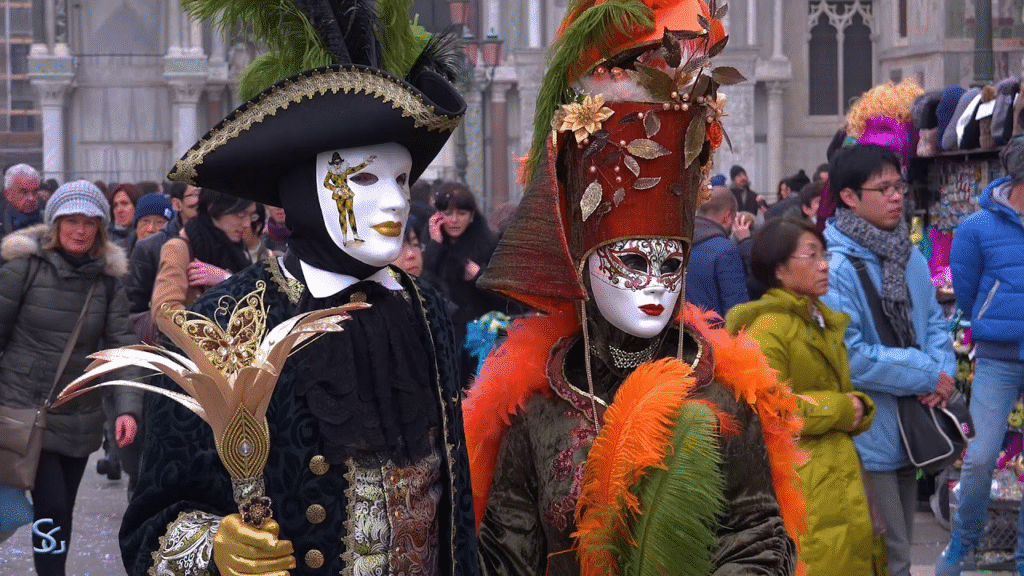
16. Italy — Carnevale di Venezia
The Venice Carnival is known for its elaborate masks and costumes, dating back to the 12th century — a living symbol of Italian artistic heritage.
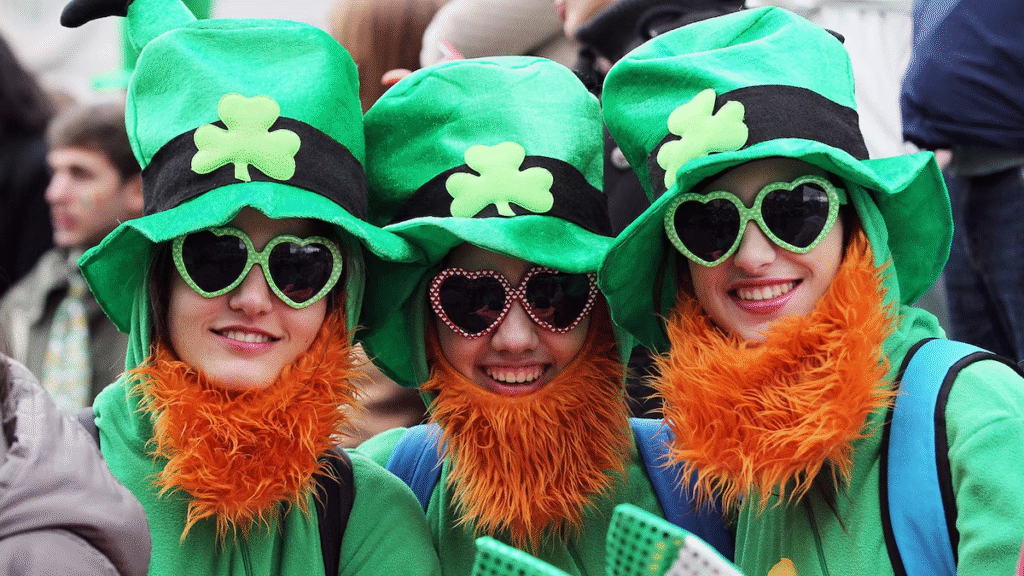
17. Ireland — St Patrick’s Day
Celebrated globally on 17 March, this festival honours Ireland’s patron saint with parades, traditional music, and the wearing of green.
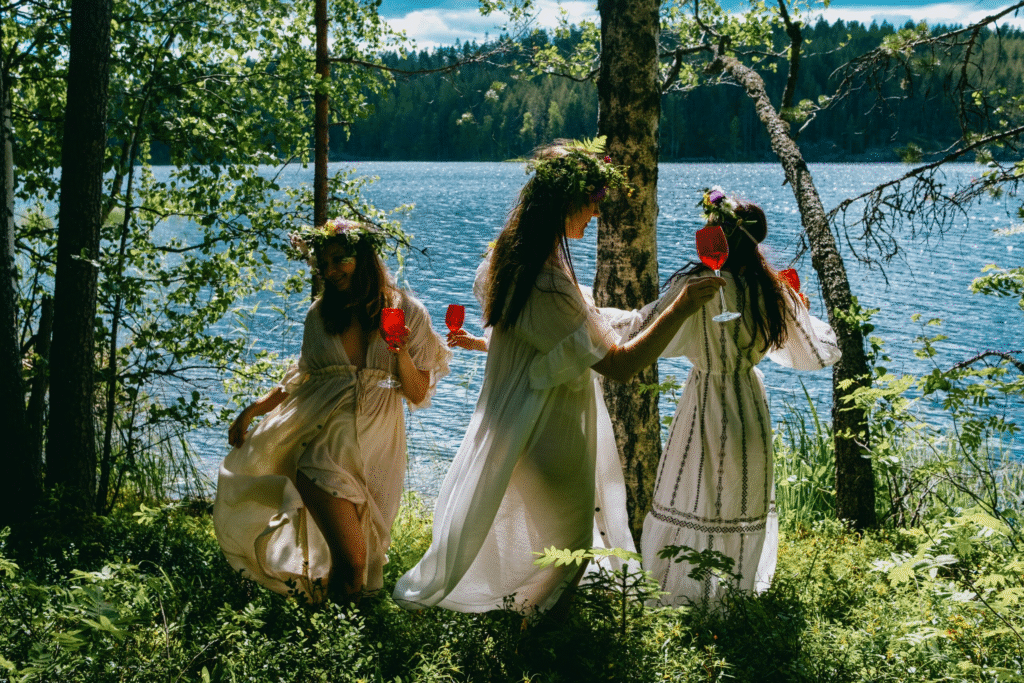
18. Finland — Midsummer (Juhannus)
Finns celebrate the longest day of the year by gathering around bonfires, often near lakes, connecting with nature and community.
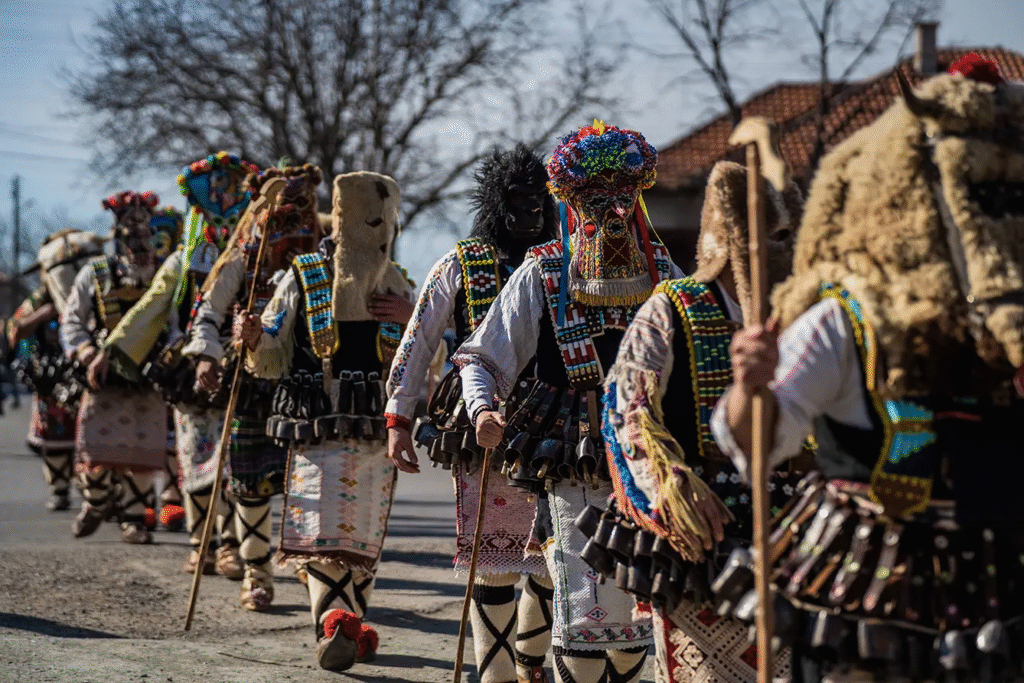
19. Bulgaria — Kukeri (Mummer Tradition)
Men dress in large, shaggy costumes with bells and masks to scare away evil spirits at the start of the new year.
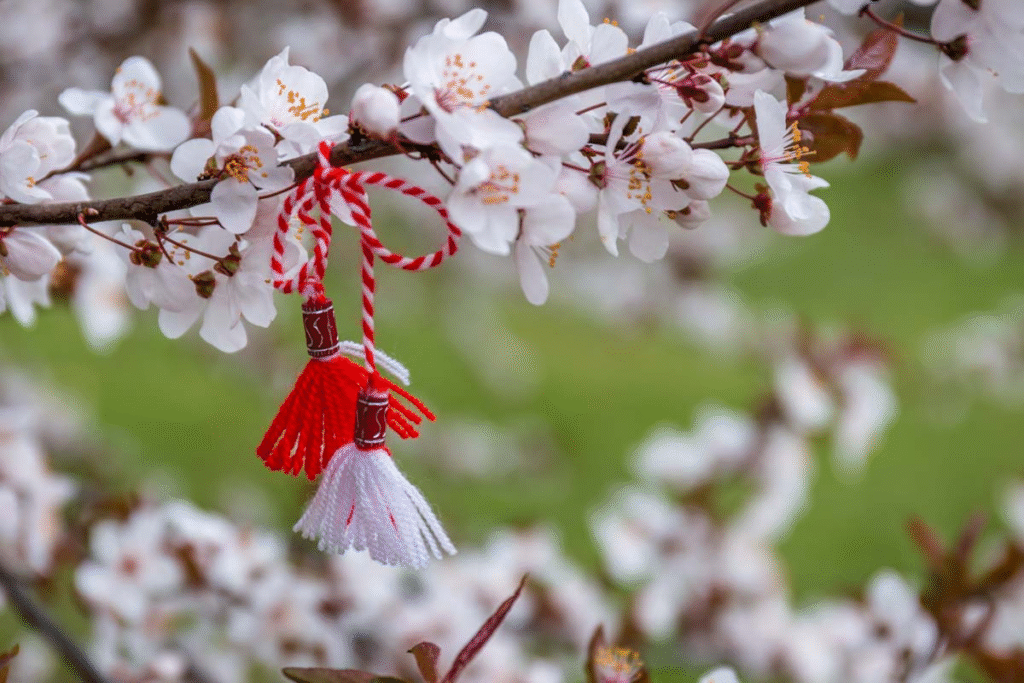
20. Romania — Mărțișor
On 1 March, Romanians gift small red-and-white string talismans symbolising the arrival of spring and good fortune.
🌍 Africa
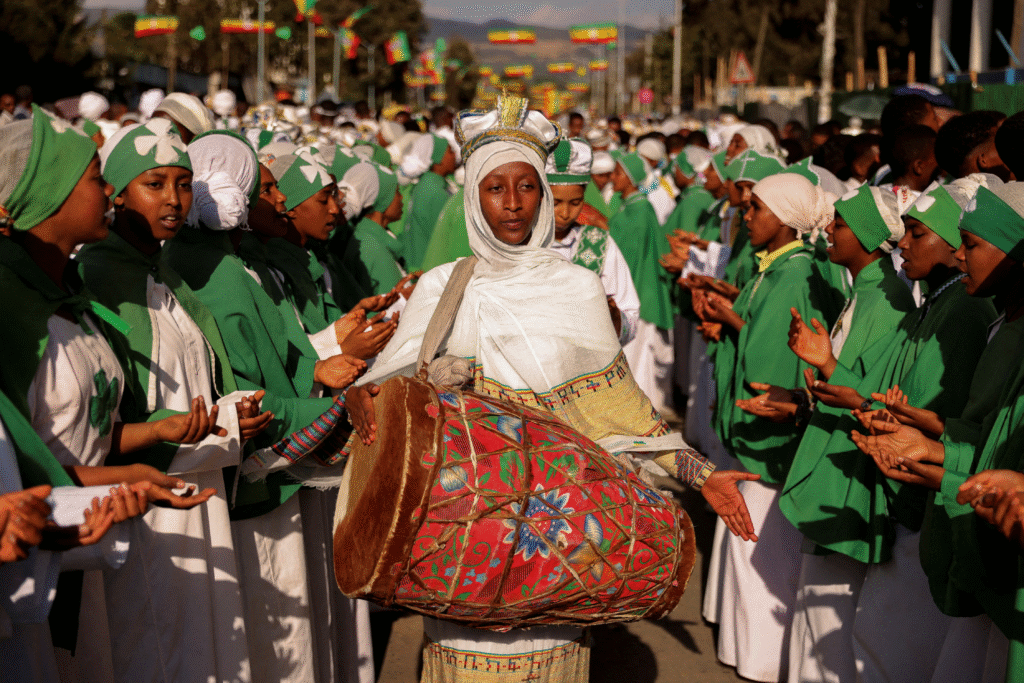
21. Ethiopia — Timkat (Epiphany)
A vibrant Ethiopian Orthodox celebration involving processions to rivers and lakes, symbolising the baptism of Jesus in the River Jordan.
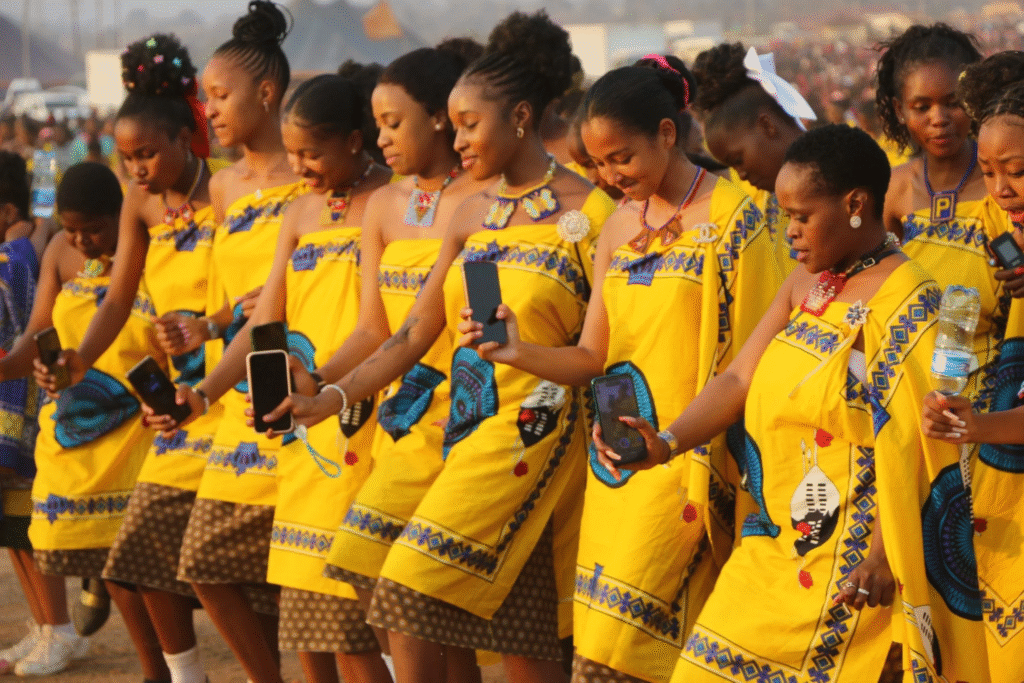
22. South Africa — Reed Dance (Umkhosi Womhlanga)
Young Zulu and Swazi women carry reeds to the royal palace in a ceremony celebrating purity and cultural pride.
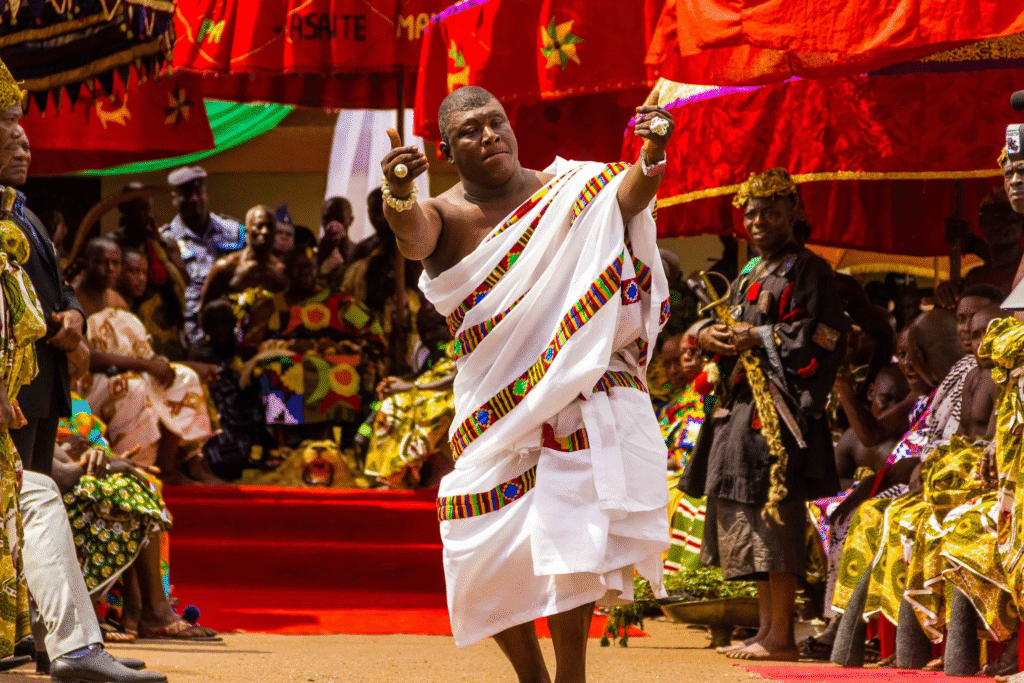
23. Ghana — Homowo Festival
The Ga people of Ghana celebrate the end of a historical famine with a communal feast, drumming, and the sharing of palm nut soup.
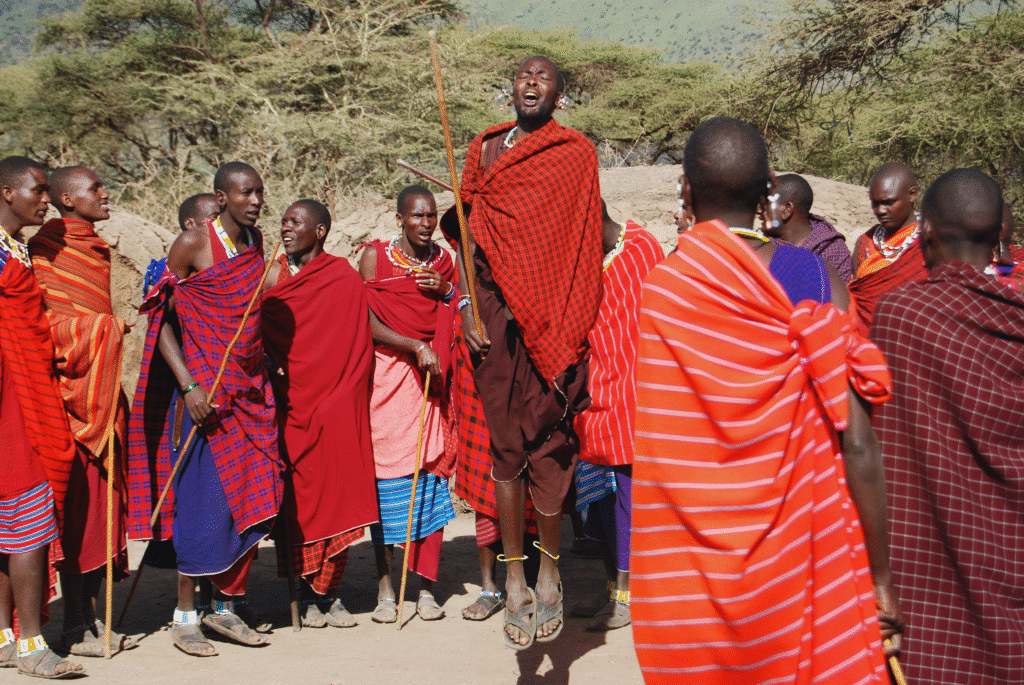
24. Kenya — Maasai Adumu (Jumping Dance)
Young Maasai warriors perform a competitive jumping ceremony as part of their rite of passage into manhood.
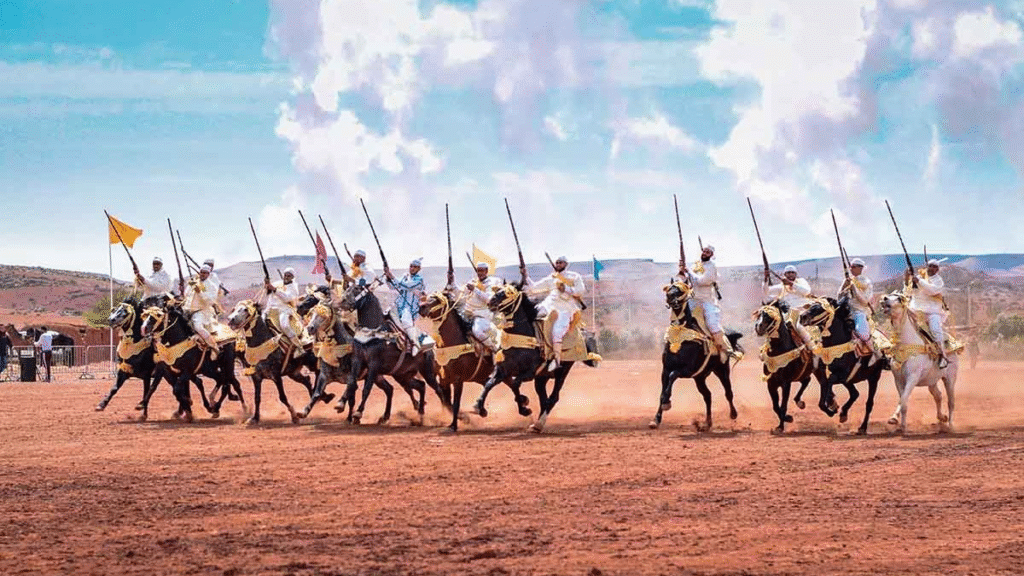
25. Morocco — Moussem of Tan-Tan
A UNESCO-recognised gathering of Saharan nomadic tribes featuring music, poetry, horse-riding displays, and trade.
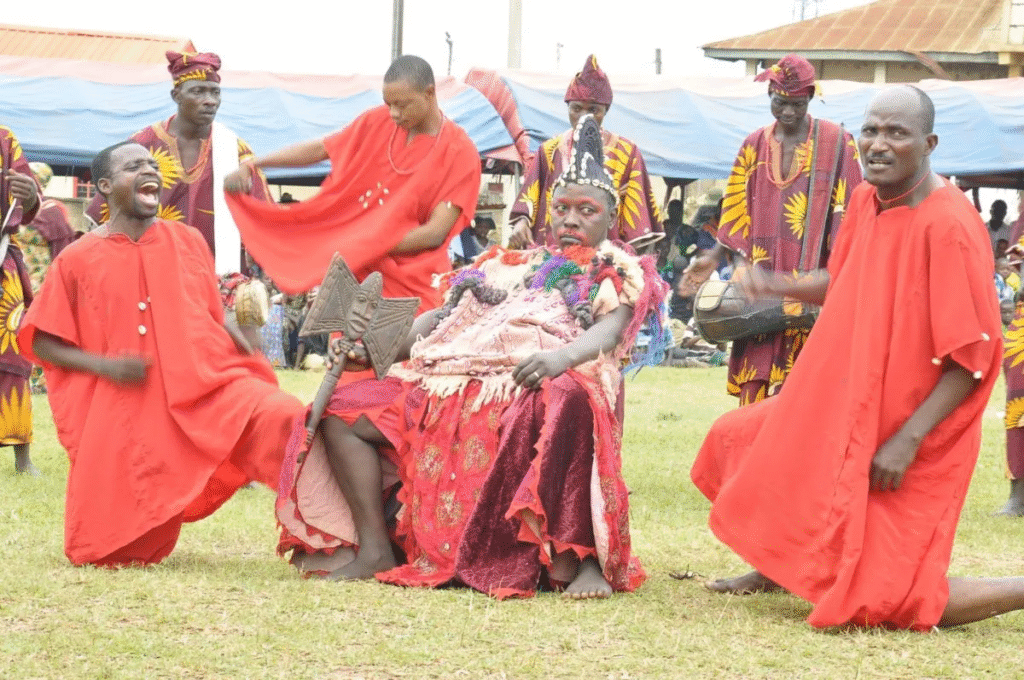
26. Nigeria — Sango Festival
Devoted to the Yoruba god of thunder, this festival in Oyo involves music, dance, and spiritual rituals honouring the deity.
27. Tanzania — Zanzibar Festival of the Dhow Countries
A celebration of Indian Ocean cultural exchange, featuring music, film, and art from the Swahili coast and beyond.
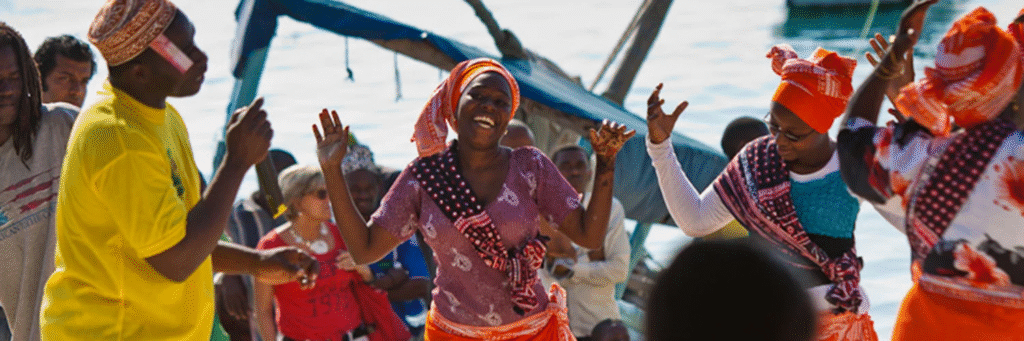
28. Senegal — Tabaski (Eid al-Adha)
Widely celebrated across West Africa, this Islamic festival involves the sacrifice of a ram, communal feasting, and gift-giving.
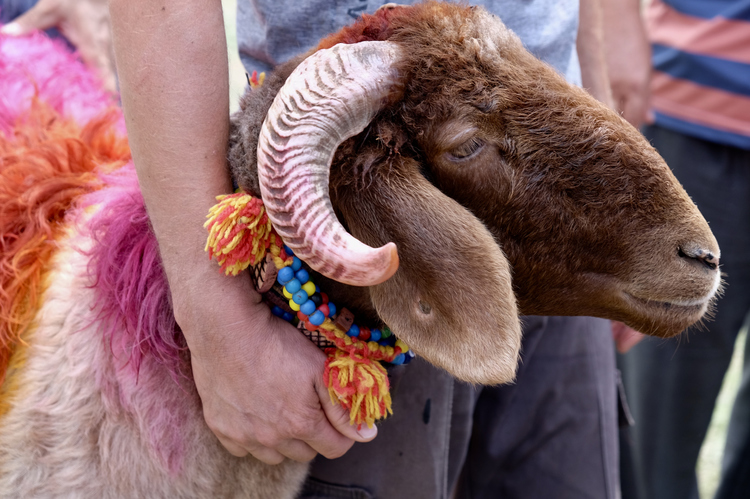
29. Uganda — Imbalu Circumcision Ceremony
The Bagisu people of eastern Uganda mark male coming-of-age with an elaborate ceremony of dance, music, and ritual.
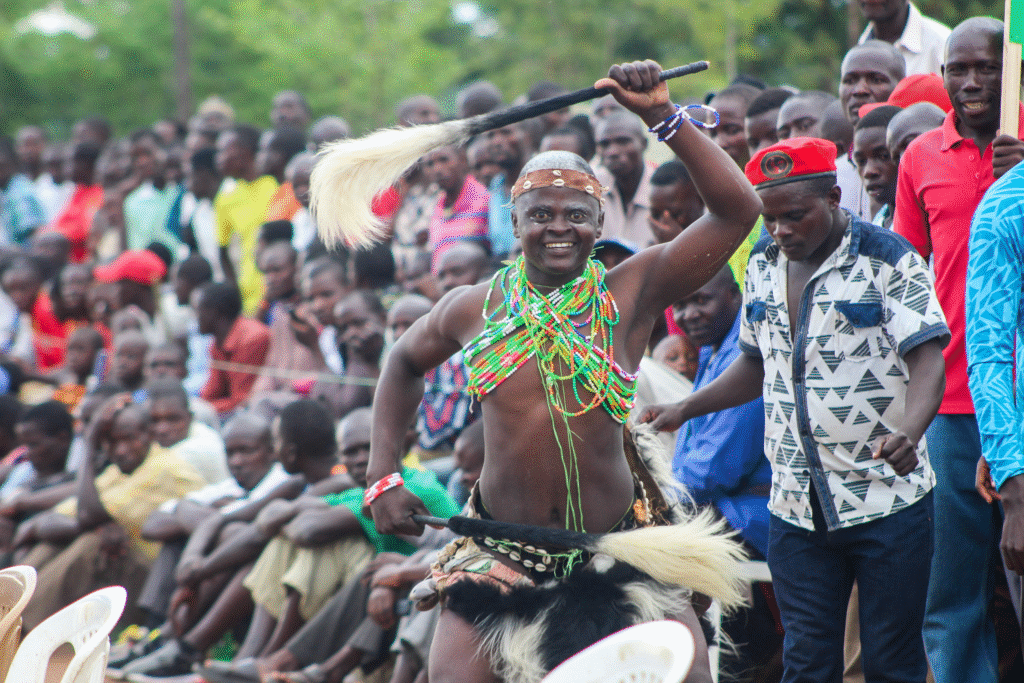
30. Libya — Ghadames Old Town Celebrations
The ancient Berber city hosts traditional storytelling festivals that preserve centuries-old oral culture.
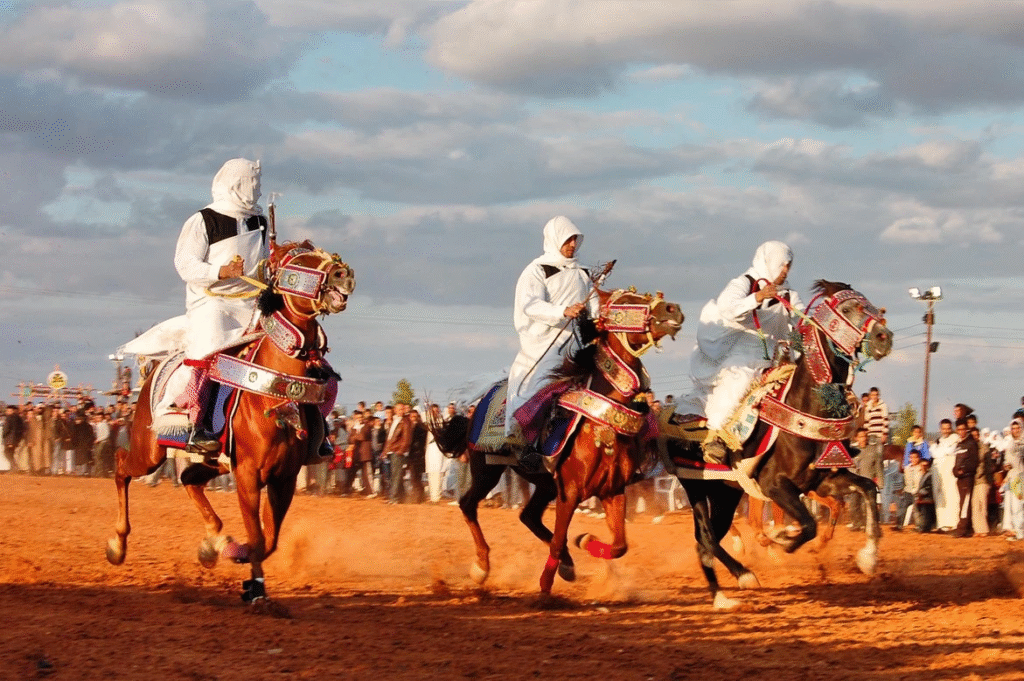
🌎 Central & South America
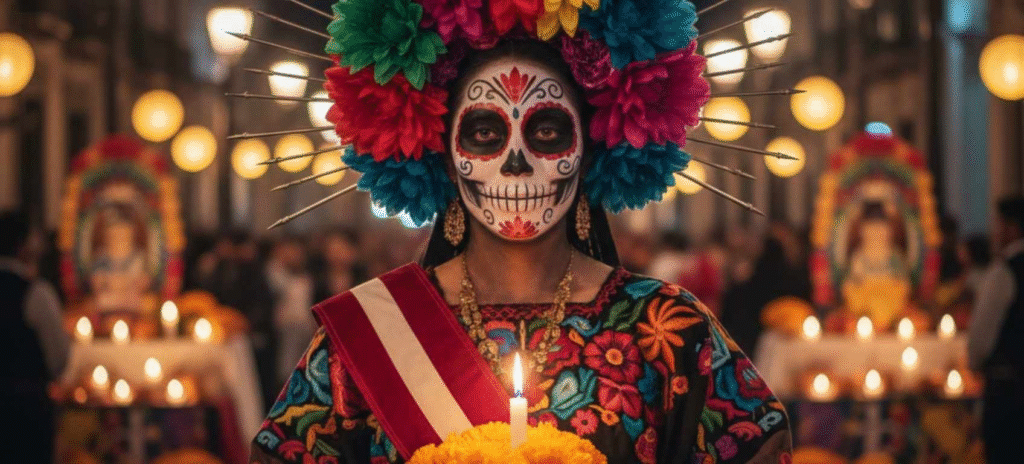
31. Mexico — Día de los Muertos (Day of the Dead)
Families build colourful altars (ofrendas) adorned with marigolds, photos, and food to honour deceased loved ones on 1–2 November.
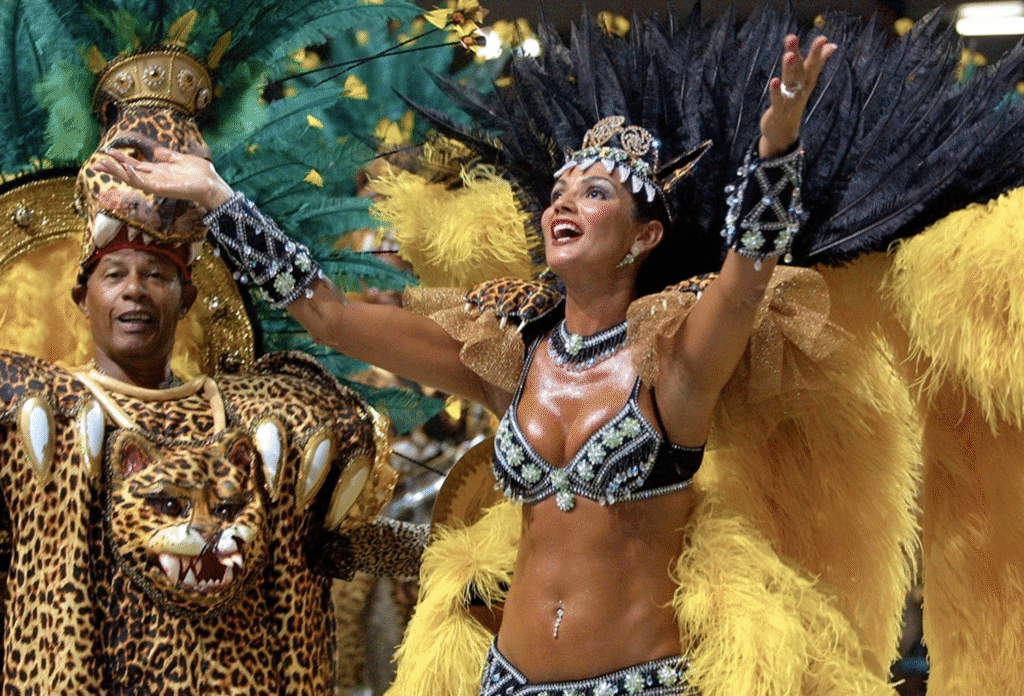
32. Brazil — Carnaval do Rio
The world’s most famous carnival, featuring samba schools, elaborate float parades, and millions of costumed participants in Rio de Janeiro.
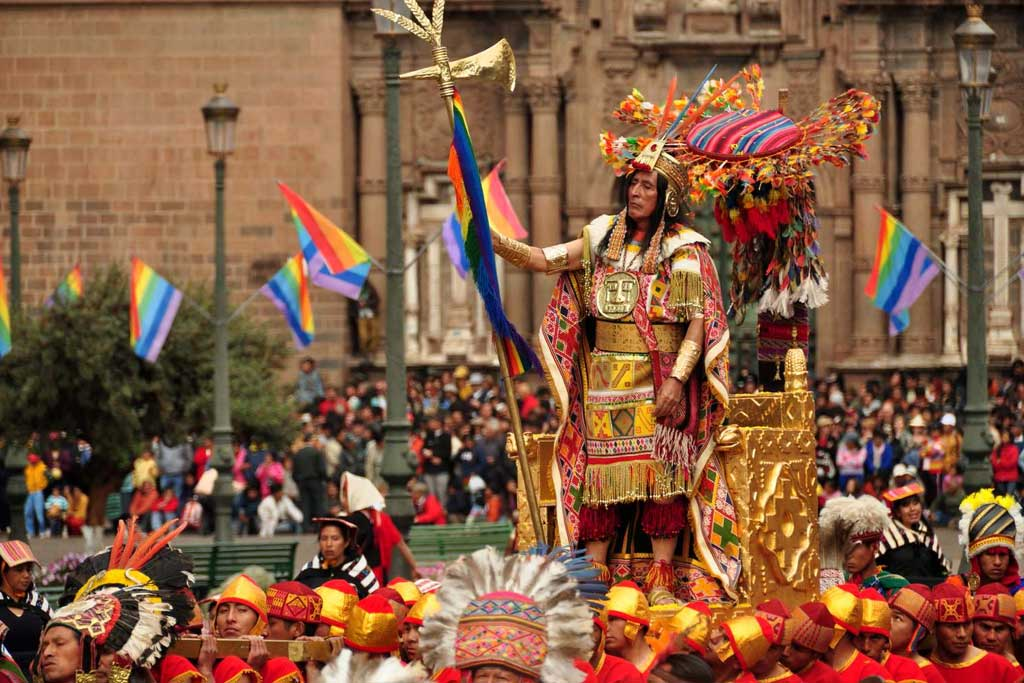
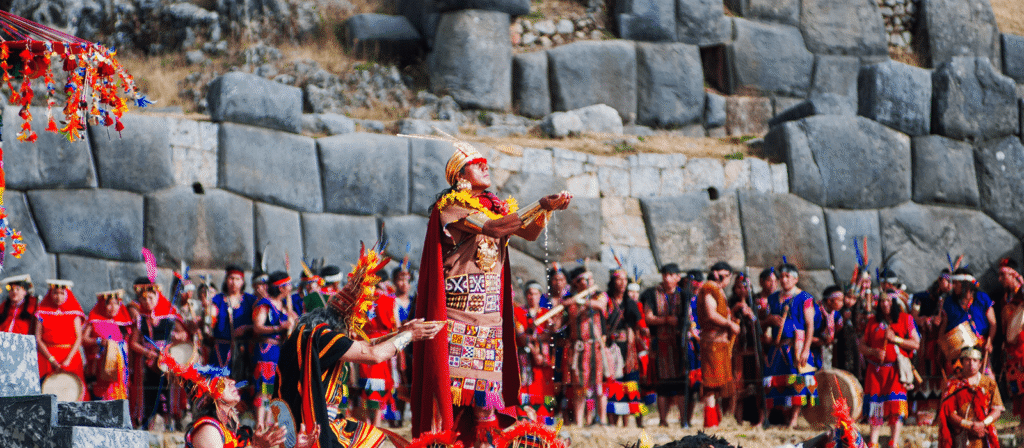
33. Peru — Inti Raymi (Festival of the Sun)
An ancient Incan festival in Cusco honouring Inti, the sun god, with theatrical ceremonies at the Sacsayhuamán ruins.
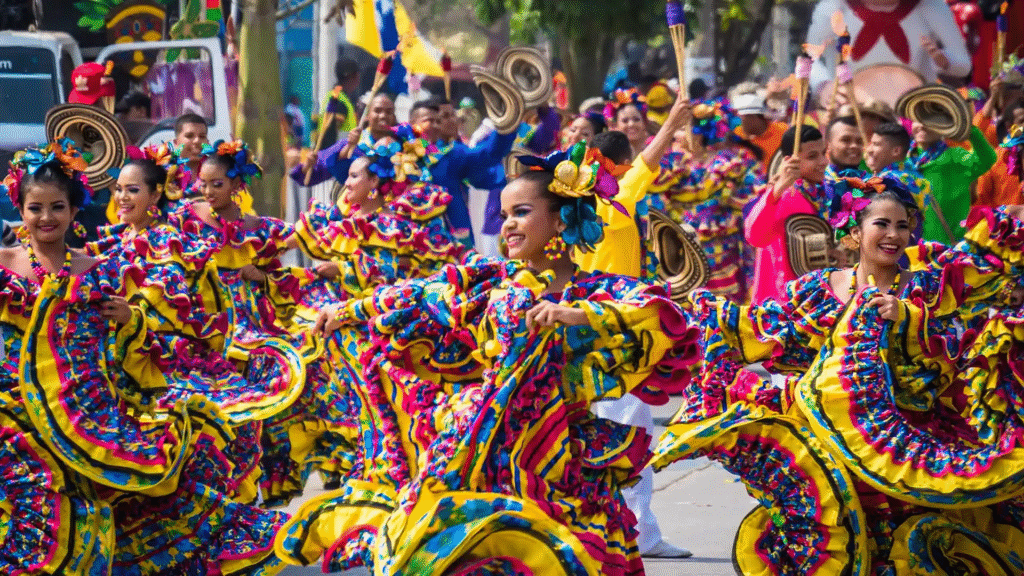
34. Colombia — Barranquilla Carnival
Recognised by UNESCO, this four-day carnival blends Indigenous, African, and European traditions through music, dance, and elaborate costumes.
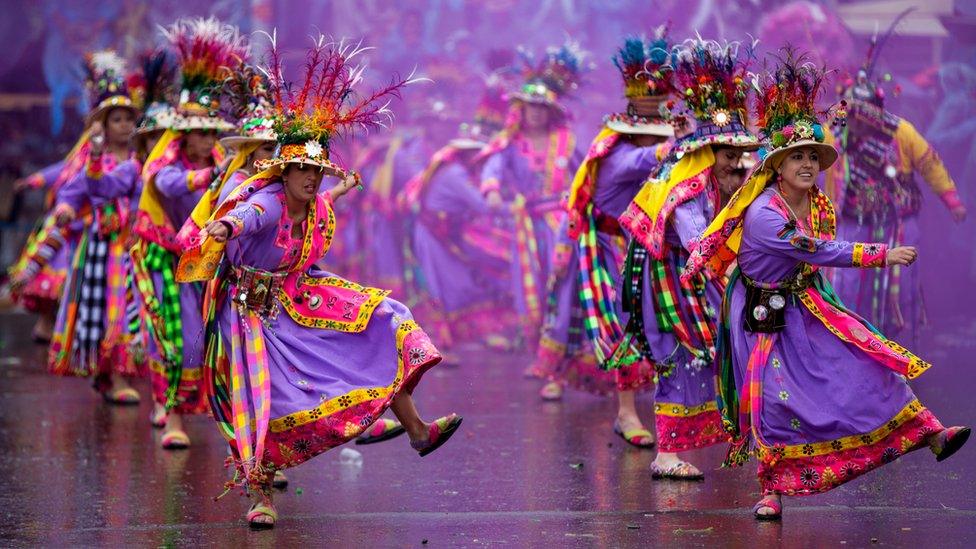
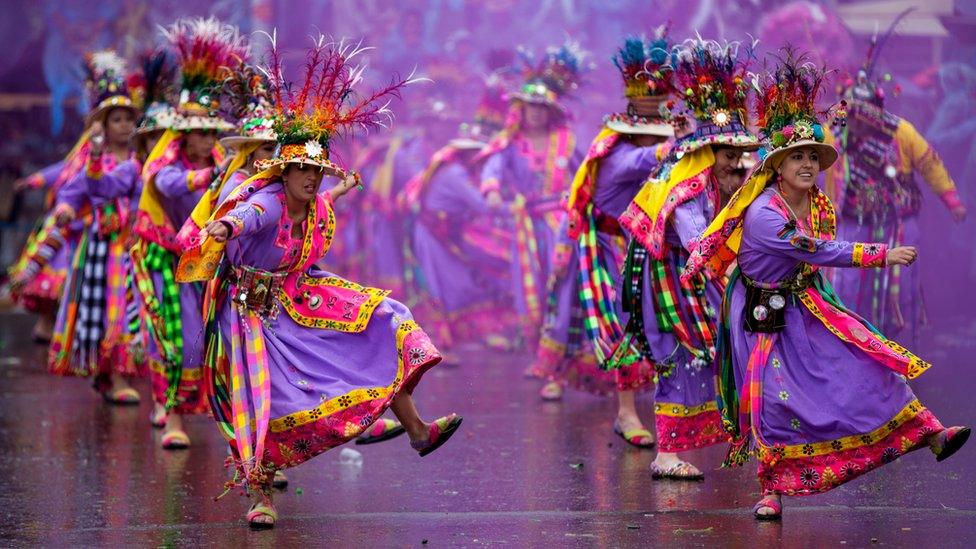
35. Bolivia — Oruro Carnival
A pre-Lenten celebration combining Indigenous Andean rituals with Catholic traditions, featuring the famous Diablada (Dance of the Devils).
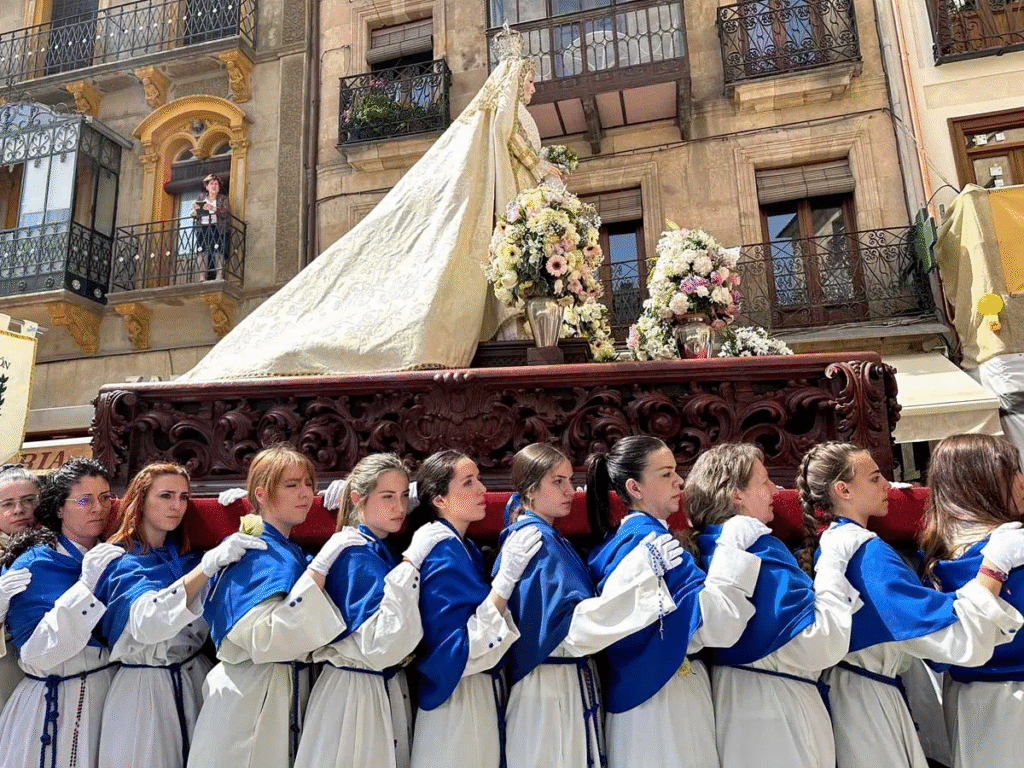
36. Guatemala — Semana Santa (Holy Week)
Antigua’s Easter celebrations include stunning alfombras (carpets) made of dyed sawdust and flowers laid in the streets for processions.
37. Ecuador — Inti Raymi & Burning of the Year-End Effigies
At New Year, Ecuadorians burn stuffed effigies representing political figures and negative events, symbolising a fresh start.
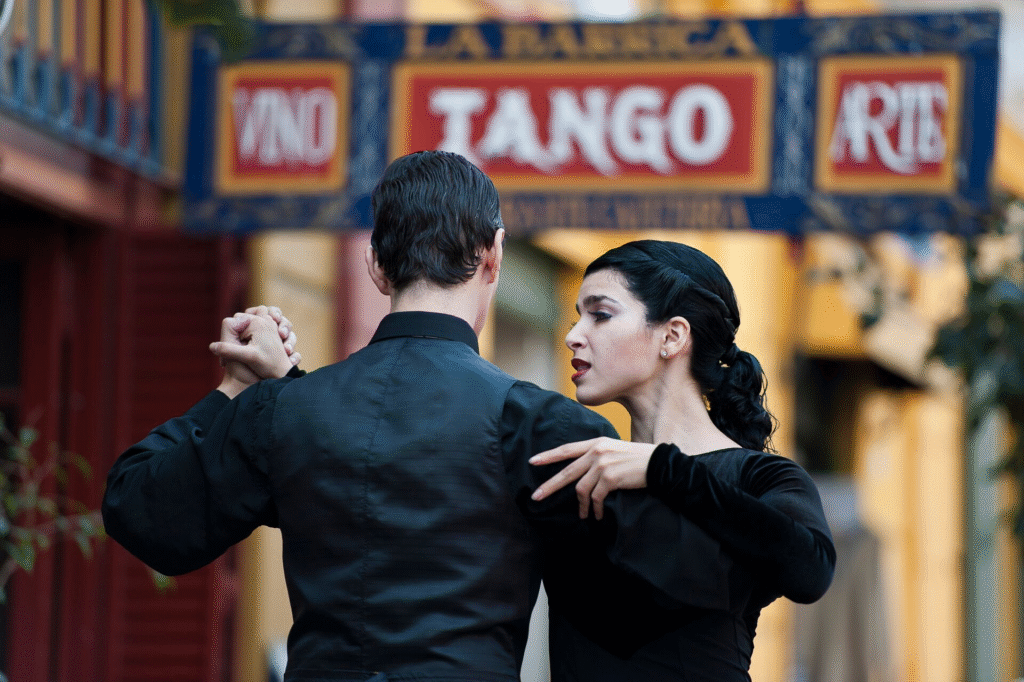
38. Argentina — Tango Culture
Originating in the working-class neighbourhoods of Buenos Aires, the tango is not just a dance — it is a UNESCO-recognised form of emotional storytelling.
39. Cuba — Las Parrandas de Remedios
One of Cuba’s oldest and most spectacular festivals, featuring fireworks, floats, and a friendly rivalry between two halves of the city.
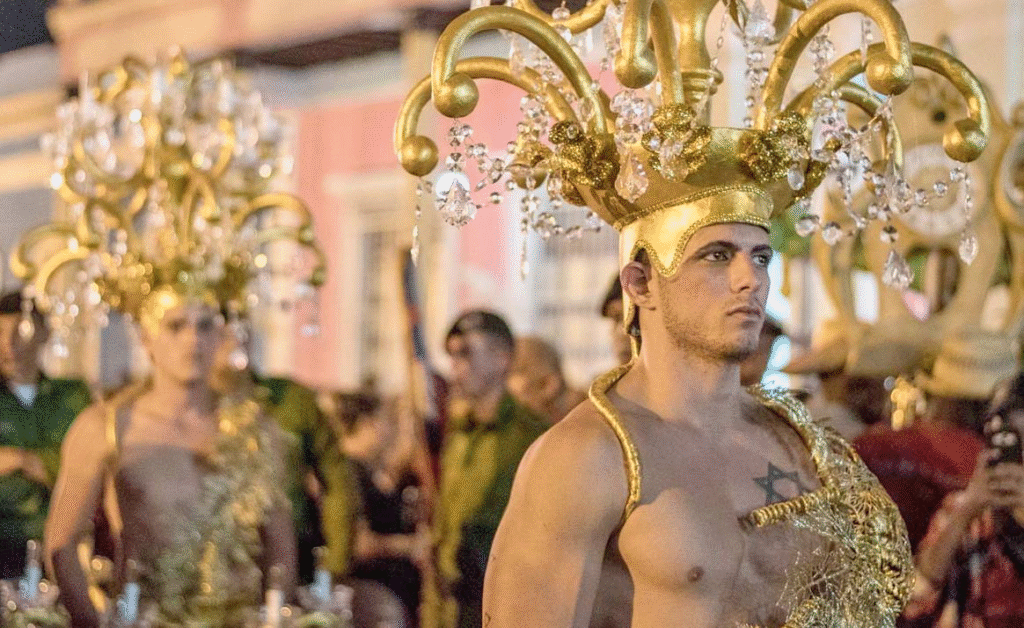
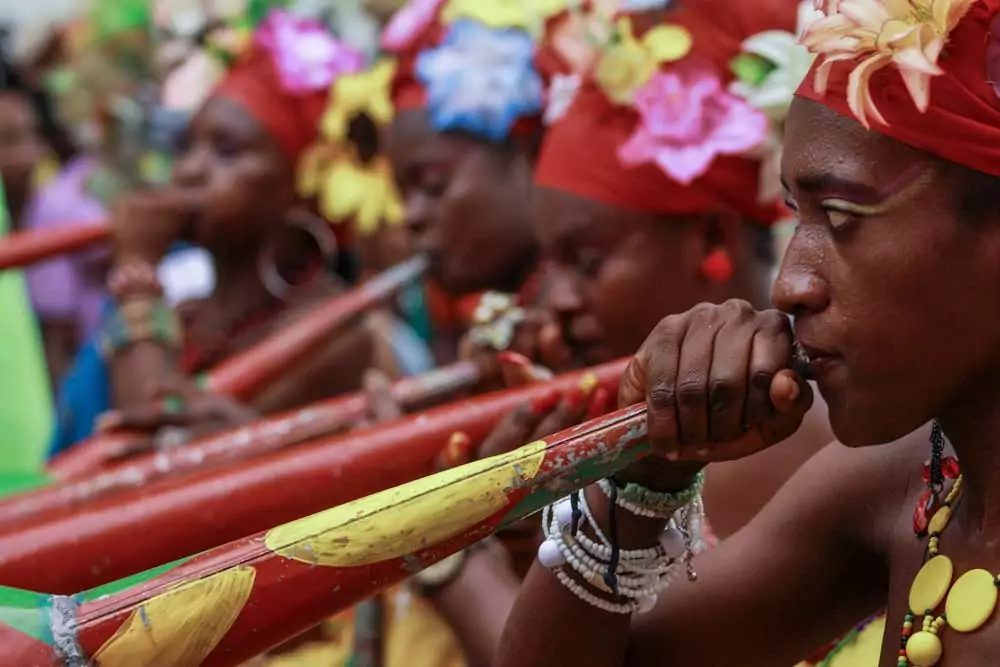
40. Haiti — Rara Festival
A Vodou-influenced street procession tradition featuring bamboo trumpets, drums, and costumed bands during the Lenten season.
🌍 Eurasia
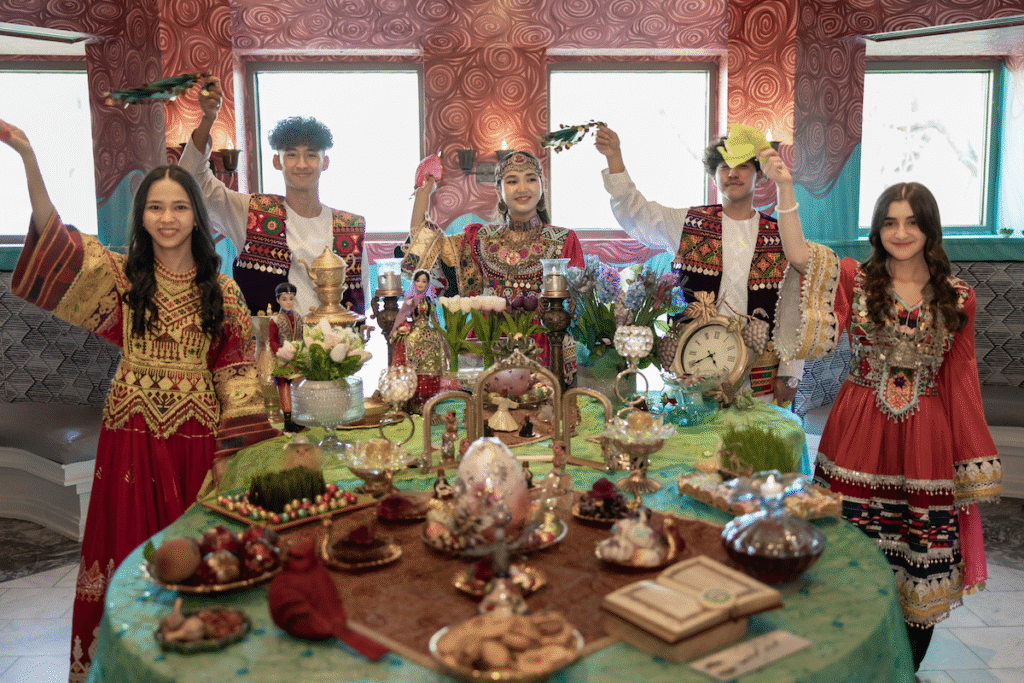
41. Iran — Nowruz (Persian New Year)
The world’s oldest celebration of the new year, marking the spring equinox with the Haft-Seen table, house cleaning, and family visits.
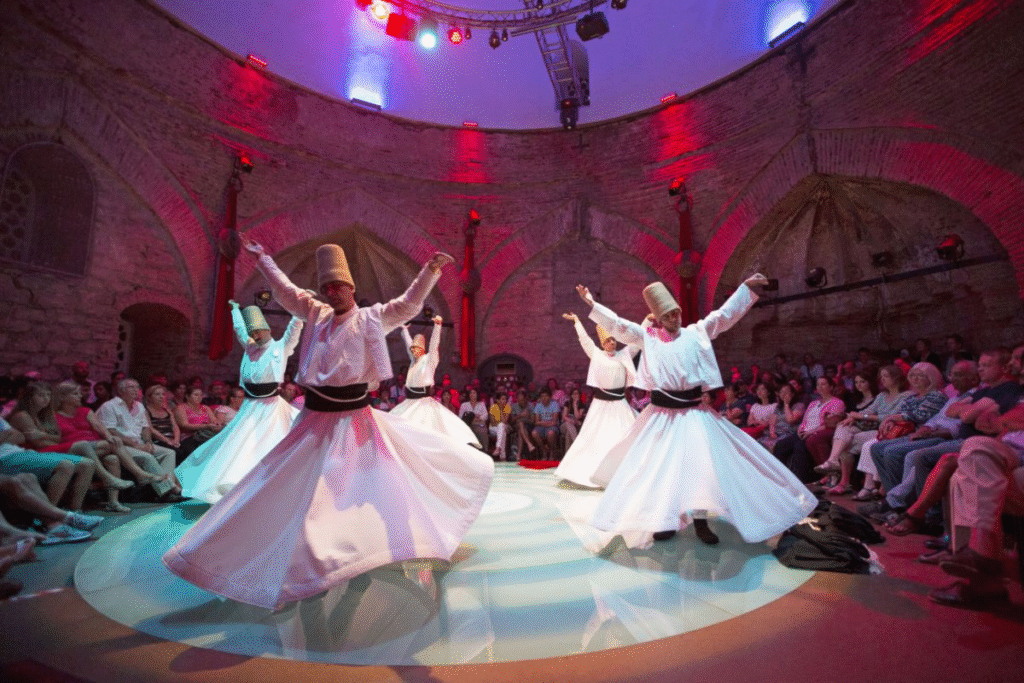
42. Turkey — Whirling Dervishes (Sema Ceremony)
A UNESCO-recognised Sufi spiritual practice in which dervishes spin in white robes as a form of meditation and prayer.
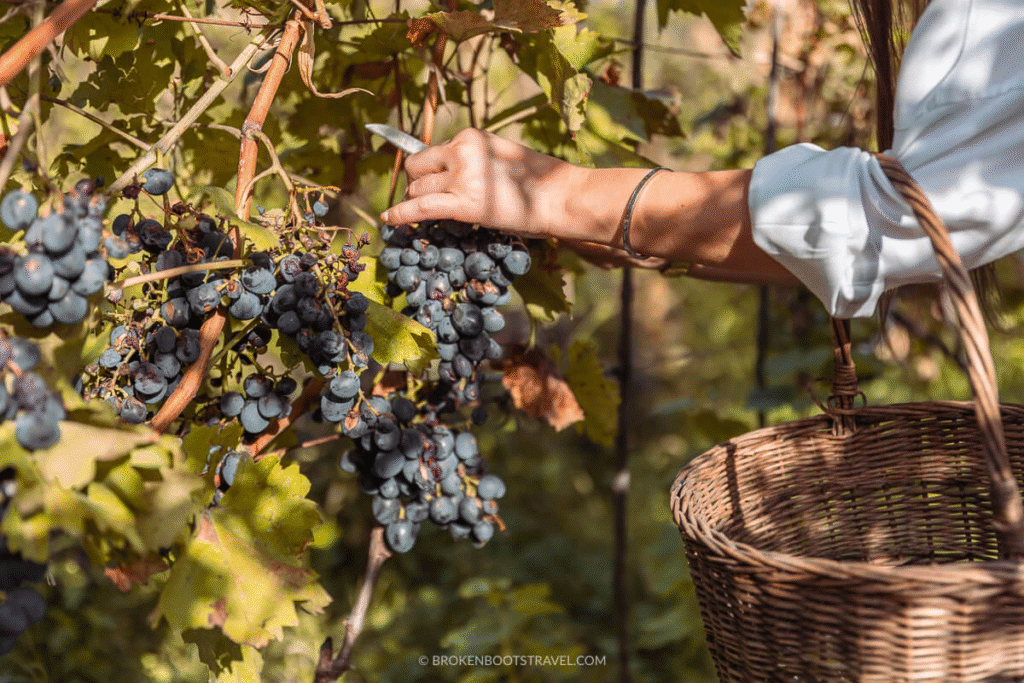
43. Georgia — Rtveli (Grape Harvest Festival)
A joyful ancient tradition of hand-picking grapes and producing wine using 8,000-year-old qvevri clay vessels.
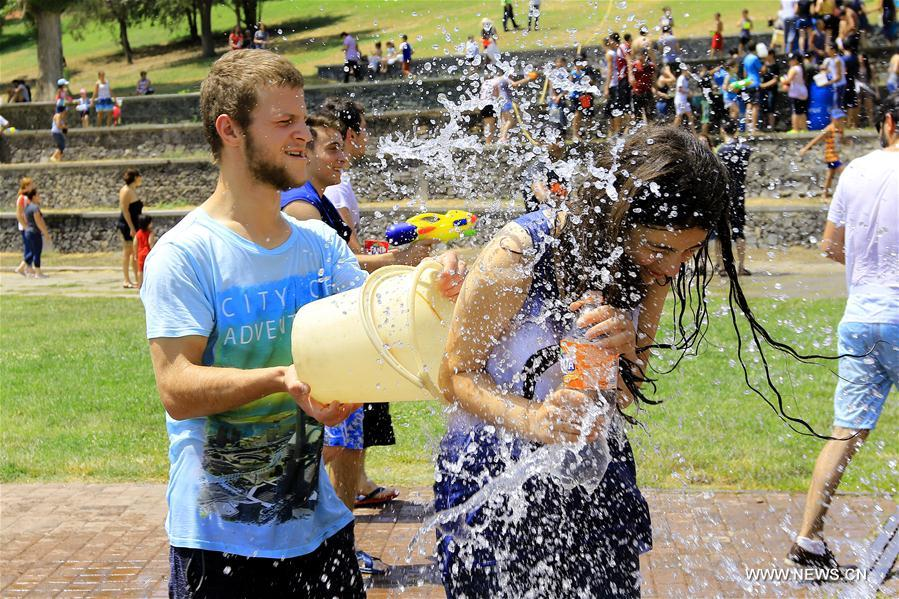
44. Armenia — Vardavar (Water Festival)
An ancient festival where people drench each other with water, originally honouring the goddess Astghik and later adopted by the church.
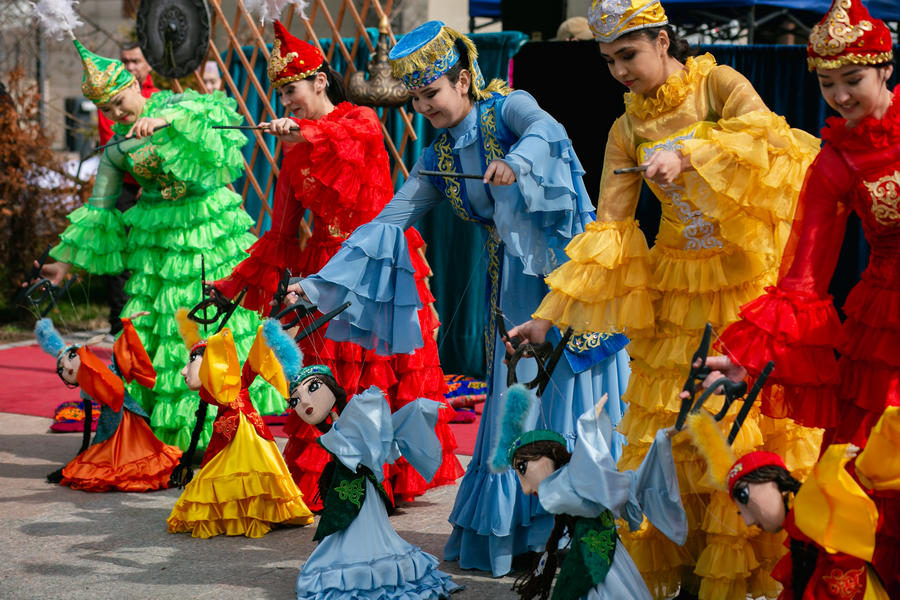
45. Kazakhstan — Nauryz Meyrami
Central Asia’s spring festival features yurt gatherings, traditional horse games, and the sharing of nauryz köje, a symbolic seven-ingredient porridge.
🌎 North America
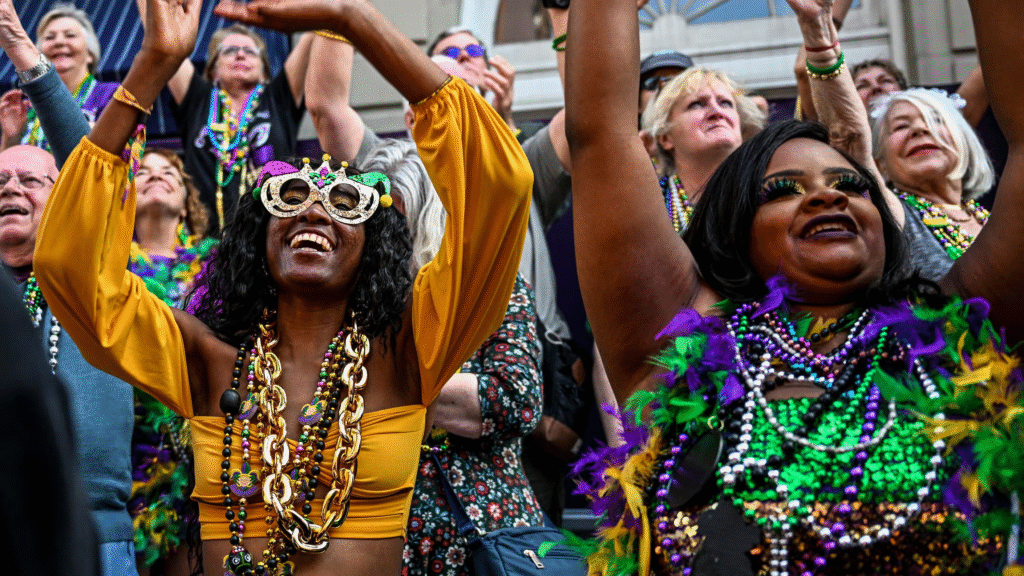
46. USA — Mardi Gras (New Orleans)
The Louisiana city’s world-famous carnival blends French, Spanish, and African traditions in a spectacular pre-Lenten street party.
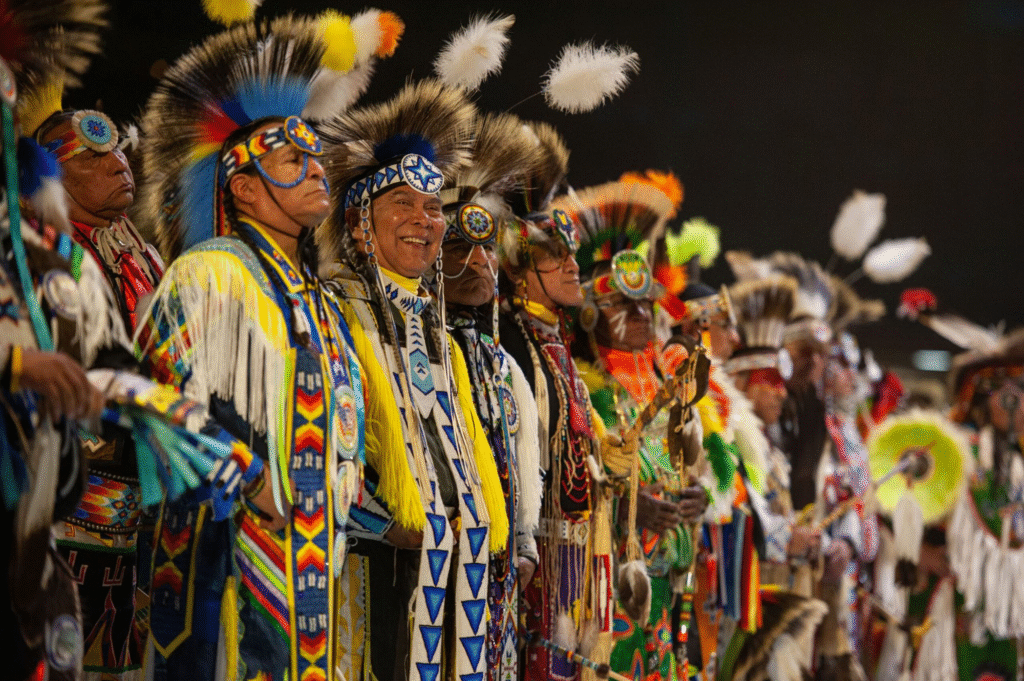
47. Canada — Powwow Gatherings
Indigenous Nations across Canada hold powwows — sacred gatherings of dance, drumming, and ceremony — to celebrate and preserve First Nations cultures.
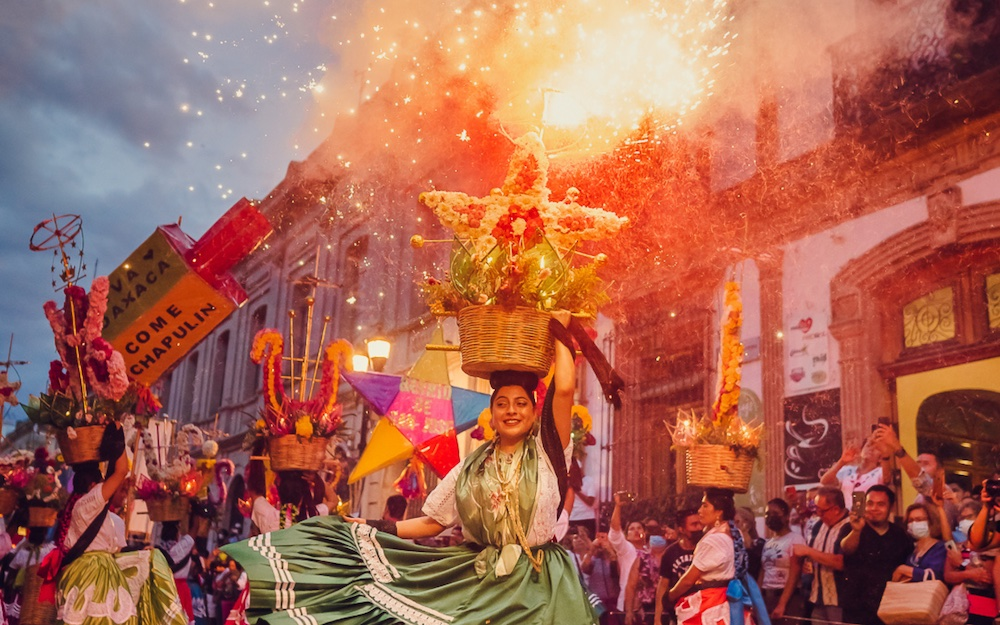
48. Mexico — Guelaguetza Festival
Held in Oaxaca every July, this Indigenous celebration features regional dances, traditional costumes, and the sharing of gifts between communities.
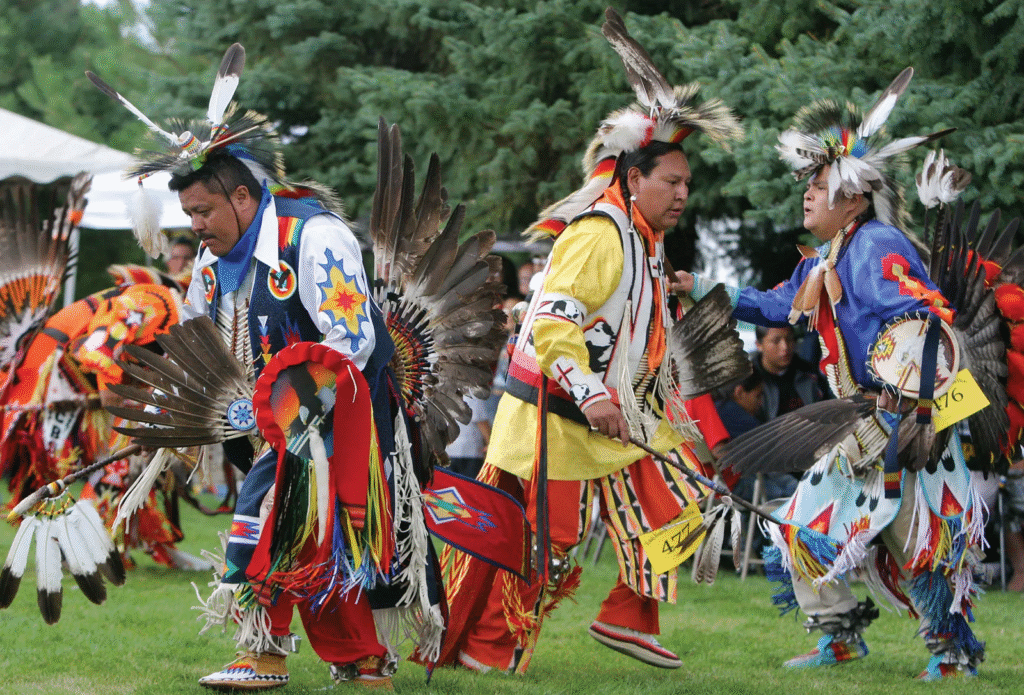
49. Native American — Sun Dance Ceremony
A sacred ritual practised by many Plains Nations involving fasting, prayer, and communal dancing around a central tree, honouring the Creator.
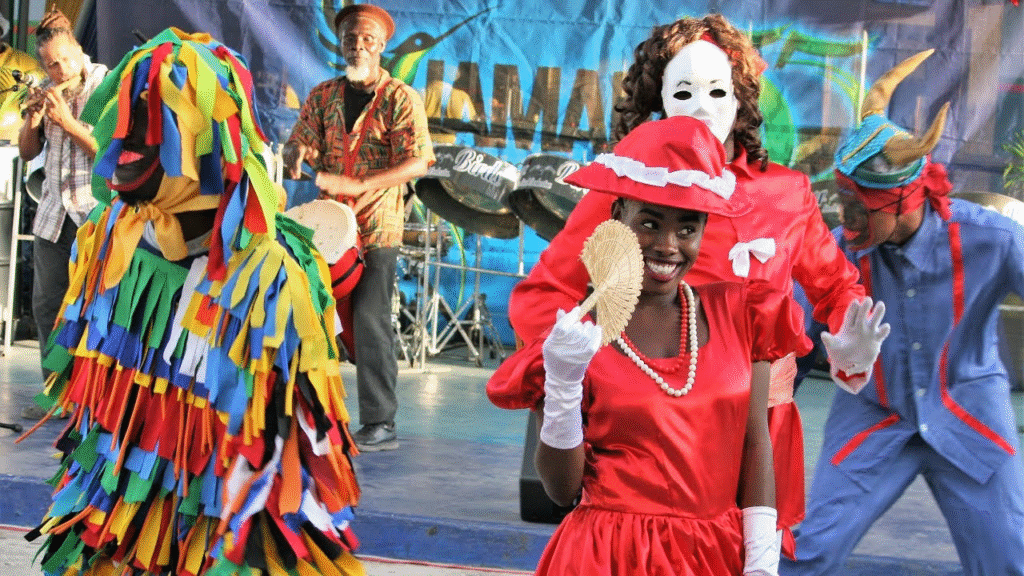
50. Jamaica — Jonkonnu Festival
An Afro-Caribbean masquerade tradition rooted in West African and colonial history, featuring costumed characters, drums, and street parades.
Localisation Services and Cultural Traditions
Understanding cultural traditions is not just enriching — it is essential for any business operating across borders. When a company enters a new market, getting the cultural nuances right can be the difference between success and a costly misstep.
This is where localisation becomes critical. Unlike basic translation, localisation adapts your entire message — tone, imagery, cultural references, and format — to resonate with the target audience on a cultural level. A campaign that works brilliantly in the UK might fall flat or cause offence in Japan or Brazil if the cultural context is not considered. Discover how Elite Asia approaches this process in their detailed guide on Website Localisation: The Ultimate Guide for 2026.
Localisation strategy is not one-size-fits-all. It requires deep research into local customs, values, and consumer behaviour. See real-world examples of how global brands get this right in 20 Best Localisation Strategy Company Examples in 2026.
Translation, Localisation, and Cultural Traditions
Translation converts words from one language to another. Localisation, however, goes much deeper — it adapts the meaning, tone, and cultural context of content for a specific audience. Both are essential when engaging with diverse cultural communities.
For businesses, this distinction matters enormously. A direct translation of a marketing slogan might be linguistically accurate but culturally tone-deaf. Consider how Coca-Cola, IKEA, and other global brands invest heavily in localisation to ensure their messaging feels native — not foreign — in every market they enter. Elite Asia’s blog on Internationalisation vs. Localisation explains how to build a framework that respects both.
When communicating with multilingual audiences, the importance of professional human interpretation cannot be overstated. Automated tools still struggle with cultural nuance, humour, and context — areas where experienced linguists make all the difference. Learn more about when to use each professional in Elite Asia’s guide to Interpreter vs Translator: Who You Should Hire for Your Needs?.
Immersion through UNESCO Sites
One of the most powerful ways to experience another culture is through UNESCO World Heritage Sites and Intangible Cultural Heritage listings. UNESCO recognises not just physical landmarks, but living traditions — music, craftsmanship, festivals, and oral history.
In 2023 alone, UNESCO added over 50 new traditions to its Intangible Cultural Heritage list, including Syrian glassblowing, the Dabkeh dance from Palestine, and Aklan piña handloom weaving from the Philippines. These listings serve as a global reminder that cultural traditions are precious and worth protecting.
Visiting a UNESCO site — whether it is the ancient city of Ghadames in Libya, the temples of Angkor Wat in Cambodia, or the historic centre of Oaxaca in Mexico — offers an unmatched opportunity for genuine cultural immersion. It is not just tourism; it is living education. For those engaging with Cambodian culture and language, Elite Asia provides expert Cambodian Translation & Interpretation Services to bridge the gap.
Developing Cultural Awareness Outside of Travel
You do not have to book a flight to deepen your cultural understanding. There are many practical, accessible ways to expand your cultural awareness from wherever you are:
- Read widely — novels, biographies, and histories written by authors from different cultural backgrounds offer authentic perspectives
- Watch foreign films and documentaries — streaming platforms now offer vast libraries of non-English content with subtitles
- Follow cultural organisations — institutions like the British Museum, the Smithsonian, and UNESCO publish free resources on world cultures
- Engage with diaspora communities — local cultural festivals, restaurants, and community centres often showcase traditions from around the world
- Learn a new language — even basic knowledge of another language opens doors to its culture; studies show bilingual individuals demonstrate greater empathy and cross-cultural understanding
- Use localisation and translation tools thoughtfully — professional language services help you communicate respectfully and accurately across cultures
Cultural awareness is a skill that grows with intentional practice. In a world that is more connected than ever, developing this skill is not a luxury — it is a necessity. For businesses, Elite Asia’s insight on The Power of Face-to-Face Interpretation shows how live cultural and language support builds stronger international relationships.
🌐 Ready to Connect Across Cultures?
Whether you are expanding into Asian markets, translating content for a global campaign, or simply need professional language support, Elite Asia is here to help. We offer expert translation, interpretation, and localisation services across 100+ languages.
👉 Explore Elite Asia’s full range of language services here.
Elite Asia’s team covers 30+ languages across Singapore, Malaysia, Hong Kong, Japan, South Korea, China, Taiwan, and Thailand — with full technical support, ISO 9001:2015 certification, and a dedicated MICE division ready to support your next event.



Frequently Asked Questions (FAQs)
1. How many cultural traditions exist around the world?
There’s no exact count, but experts estimate between 3,800 and over 7,000 distinct cultural groups globally, a figure closely linked to the roughly 7,000 languages spoken worldwide.
2. What makes a cultural tradition “unique”?
A tradition is considered unique when it reflects a community’s specific history, beliefs, or environment, often expressed through rituals, festivals, food, or dress not replicated elsewhere.
3. Which countries are featured in the list of 50 traditions?
The list spans every inhabited continent, including examples from Japan, Spain, Peru, and Ghana, among many others, to showcase global diversity.
4. Who tracks and protects these cultural traditions?
UNESCO plays a major role through its Intangible Cultural Heritage list, having added over 50 new entries in 2023 alone to safeguard practices at risk of disappearing.
5. Why do cultural traditions matter today?
They serve as living links to history and identity, helping communities pass down values and social bonds across generations even amid globalization.

Last Modified:
Contact Us
Working across languages? Our team can support your company’s translation and interpretation needs. For business enquiries, get in touch to explore what fits your requirements.
Request a Quote