
The Crucial Role of App Translation Services for Singaporean Companies to Expand Market Reach
Singapore businesses looking to grow internationally face a critical challenge: reaching customers who speak different languages. In today’s mobile-first world, app translation services have become essential for companies wanting to expand beyond local borders and tap into global markets.
Mobile app localisation goes far beyond simple word-for-word translation. It involves adapting your app experience to match local cultures, customs, and user expectations. This strategy can unlock massive growth opportunities for Singapore companies operating in one of the world’s most connected economies.
Understanding the Singapore Digital Landscape
Singapore leads Southeast Asia in digital adoption with 5.16 million social media users representing 88.2% of the population. The country boasts an impressive 179% mobile penetration rate with 10.5 million active mobile connections across just 5.85 million people. This mobile-first environment makes Singapore an ideal launch pad for international app expansion.
Chat and messaging apps dominate usage patterns, with 97% of Singaporeans using these platforms and 95.9% using social networks. This preference for communication tools highlights the importance of ensuring your app speaks users’ languages – literally and culturally.
The Singapore app market generated over SGD 3.321 billion in 2025 and is projected to reach SGD 10.522 billion by 2033, representing a 15.507% compound annual growth rate.
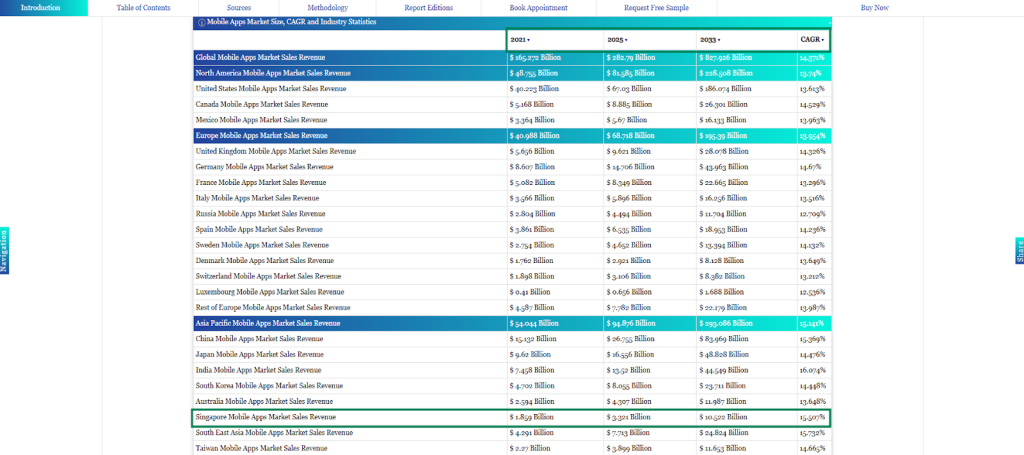
These numbers demonstrate the enormous potential for companies that can effectively localise mobile apps for regional and global markets.
Why App Translation Services Matter for Business Growth
1. Breaking Down Language Barriers
Professional app translation removes the biggest obstacle to international expansion: communication barriers. Research shows that 76% of consumers prefer purchasing products with information in their native language. When your app speaks users’ languages fluently, you immediately increase trust and engagement rates.
App localisation becomes even more critical for Singapore companies targeting Southeast Asian markets. Countries like Indonesia, the Philippines, Malaysia, and Thailand each have distinct languages and cultural preferences. App localisation services ensure that your message resonates across these diverse markets.
2. Expanding Market Reach Significantly
Mobile app translation opens doors to entirely new customer segments. Singapore’s strategic position as a gateway to Southeast Asia means companies can leverage localised apps to reach over 680 million people across the region.
Studies indicate that apps with localised content see up to 767% download growth. This dramatic increase happens because users feel more comfortable engaging with apps that match their cultural and linguistic preferences.
For businesses serious about international growth, exploring comprehensive multilingual technology solutions becomes essential to simultaneously support your expansion strategy across multiple markets.
3. Improving User Experience and Retention
Localised mobile apps report 25% higher user retention rates than non-localised versions. When users can navigate your app in their preferred language, using familiar cultural references and appropriate design elements, they stay engaged longer.
User experience enhancement through localisation includes adapting date formats, currency symbols, payment methods, and colour choices. These details might seem minor, but they significantly impact how users perceive and interact with your app.
Key Benefits of App Translation for Singaporean Businesses
1. Revenue Growth and Monetisation
Companies implementing app localisation strategies often see substantial revenue increases. Businesses with fully localised apps can outperform competitors by offering more tailored user experiences. This competitive advantage translates directly into higher conversion rates and increased sales.
Region-specific payment options can boost purchases by up to 30%. For Singapore companies expanding into markets like China or India, integrating local payment systems becomes crucial for maximising revenue potential.
2. Enhanced App Store Visibility
App store optimisation through localisation dramatically improves discoverability. Localised keywords and descriptions enhance search rankings in app stores across different regions. When your app appears in search results using terms local users actually search for, download rates increase significantly.
Singapore publishers competing in international markets need effective app software localisation strategies to stand out from global competitors and capture market share in target regions.
3. Building Trust and Brand Loyalty
Localised apps signal commitment to users’ needs and preferences, fostering deeper trust relationships. 75% of customers are likely to stay loyal to brands that personalise experiences through localisation.
This trust factor becomes particularly important for Singapore companies entering culturally diverse markets, where building credibility takes time and careful attention to local sensitivities.
4. Regulatory Compliance and Risk Management
App translation services help ensure compliance with local regulations and standards. Different countries have specific requirements around data privacy, content standards, and advertising claims. Professional localisation services understand these nuances and help avoid costly compliance issues.
Strategic Approaches to App Localisation
1. Market Research and Prioritisation
Successful international app expansion starts with thorough market analysis. Singapore companies should evaluate potential markets based on mobile penetration rates, monetisation potential, and cultural fit for their app concepts.
Southeast Asian markets show particularly strong opportunities. Smartphone users are expected to reach 4.25 billion in 2023. Countries like Indonesia, the Philippines, and Vietnam represent high-growth markets with increasing digital adoption rates.
2. Cultural Adaptation Beyond Translation
Effective mobile app localisation requires understanding cultural nuances that go beyond language. Anime franchises remain popular in Singapore’s mobile gaming sector, while QR code scanning apps see high adoption rates due to Singapore’s widespread QR payment systems.
These cultural insights inform design decisions, feature priorities, and marketing strategies that resonate with local audiences.
For companies looking to understand the broader implications of localisation strategy, our guide on the importance of localising super apps provides valuable insights into comprehensive platform adaptation.
3. Technical Implementation Considerations
Professional app translation involves complex technical processes, including UI element adaptation, database localisation, and testing across multiple language versions. Singapore companies need partners who understand both technical requirements and cultural subtleties.
App store localisation best practices include adapting screenshots, app descriptions, and promotional materials for each target market. This comprehensive approach ensures consistent user experiences from discovery through daily usage.
Measuring Success and ROI
1. Key Performance Indicators
Successful app localisation projects require tracking specific metrics, including conversion rates by market, user retention rates, and revenue per user across different regions. These measurements help companies understand which markets deliver the most substantial returns on localisation investments.
Download growth, user engagement levels, and customer satisfaction scores provide additional insights into localisation effectiveness. Regular monitoring allows for continuous optimisation and market expansion planning.
2. Long-term Growth Benefits
Companies investing in comprehensive app translation often see compounding returns over time. As localised apps build user bases in new markets, network effects and word-of-mouth referrals accelerate growth without proportional increases in marketing costs.
The global translation apps market is projected to grow from USD 2.19 billion in 2024 to USD 7.98 billion by 2032 at 8.4% CAGR, indicating strong demand for language solutions across all industries.
To maximise these opportunities, Singapore businesses should consider reading our comprehensive guide, which includes tips on localising your mobile app for international audiences and actionable implementation strategies.
Common Challenges and Solutions
1. Managing Complexity Across Multiple Markets
International app localisation involves simultaneously coordinating translations, cultural adaptations, and technical implementations across multiple languages. Singapore companies often underestimate the complexity of maintaining consistent quality across different markets.
Professional app translation services provide project management expertise and established workflows that ensure consistent results across all target markets while effectively managing timelines and budgets.
2. Ensuring Quality and Authenticity
Poor translation quality can damage brand reputation and user trust. Native-speaking reviewers and cultural experts play crucial roles in ensuring localised content feels authentic rather than mechanically translated.
Quality assurance processes should include linguistic testing, cultural relevance reviews, and user experience validation with target market representatives before launching localised versions.
The Future of App Localisation in Singapore Market Expansion
1. Emerging Technologies and Trends
Artificial intelligence and machine learning are transforming app translation services, enabling more accurate and contextually relevant translations. These technologies help Singapore companies scale localisation efforts more efficiently while maintaining quality standards.
Real-time translation features and voice-activated localisation represent emerging opportunities for companies wanting to differentiate their apps in competitive markets.
2. Regional Integration Opportunities
Singapore’s Smart Nation initiative allows companies to leverage government digital services integration while expanding regionally. Apps that integrate local government services and infrastructure can achieve competitive advantages in target markets.
For deeper insights into maximising localisation benefits, explore our detailed analysis of the benefits of mobile app localisation and how they apply to different business models and market strategies.
Conclusion
App translation services represent a critical investment for Singapore companies that are serious about international expansion. In a mobile-first world where 88.2% of Singaporeans actively use social media and regional markets show tremendous growth potential, professional app localisation becomes essential for competitive success.
The benefits extend far beyond simple language conversion. Comprehensive mobile app localisation drives user engagement, increases revenue potential, builds brand loyalty, and ensures regulatory compliance across diverse markets. These advantages can transform local success into regional dominance for Singapore businesses positioned at the gateway to Southeast Asia.
Companies ready to expand their market reach through professional app translation should partner with experienced localisation service providers who understand technical requirements and cultural nuances. Investing in quality localisation services pays dividends through expanded market access, improved user experiences, and sustainable international growth.
Ready to expand your app’s global reach? Partner with Elite Asia’s expert app software localisation services to unlock international markets and drive sustainable business growth across Southeast Asia and beyond.