Reliable Proofreading Services in Malaysia: Avoiding “Direct Translation” Disasters
Have you ever read a sentence that is grammatically correct yet somehow awkward? The words make sense individually, but together they feel mechanical, stiff, or unnatural. In many cases, that is the result of literal translation.
Literal translation, also known as word-for-word translation, converts each word from the source language directly into the target language without fully considering context, tone, or cultural meaning. It is common among beginners and, unfortunately, even among some professional translation providers.
In Malaysia, this problem is even more common. Malaysia operates in a uniquely multilingual environment. Bahasa Malaysia is the national language. English is widely spoken, often at near-native level. Mandarin, Cantonese, Tamil, and other dialects are used daily across communities. Many Malaysians grow up switching between two or three languages naturally.
Because of this familiarity, translation is often perceived as simple. If most people can speak English fluently, why would translation be difficult? The answer lies in structure, nuance, and cultural layering. Speaking multiple languages does not automatically mean one can transfer meaning accurately between them. That is why reliable proofreading services in Malaysia are critical in preventing “direct translation” disasters before they reach your audience.
Why Literal Translation Is So Common
Translation is not a language swap. It requires managing grammar, tone, audience expectations, cultural references, and industry terminology simultaneously.
A translator’s role is often compared to that of a juggler. While juggling vocabulary and syntax, they must also balance meaning and intention. A simple phrase in Bahasa Malaysia may carry implied politeness or cultural context that does not exist in English. Without careful adaptation, meaning shifts subtly; sometimes critically.
Even strong bilingual speakers fall into the literal translation trap without professional training or review.
Also, people easily rely on online translation tools that are fast and accessible. They translate sentences one at a time using algorithms, often without fully understanding tone or context. The output may be readable, but it frequently sounds mechanical.
For internal communication, this may be acceptable. For public-facing content like websites, legal documents, subtitles, marketing copy, it can damage credibility instantly.
When and Why Literal Translation Fails
1. Idioms Cannot Be Translated Word-for-Word
Idioms rarely survive literal translation. They are rooted in culture, daily life, and shared experiences. When translated directly, they often become confusing — or unintentionally humorous.
For example:
- Neko no te mo karitai (猫の手も借りたい)
Literal: “I even want to borrow a cat’s paw.”
Meaning: “I’m extremely busy.”
Comparable English idiom: “I’m swamped.” or “I could use an extra pair of hands.” - Du gehst mir auf den Keks
Literal: “You are walking on my cookie.”
Meaning: “You are getting on my nerves.”
Comparable English idiom: “You’re driving me crazy.” - 加油 (Jiāyóu)
Literal: “Add oil.”
Meaning: “Go for it!” or “You can do it!”
Comparable English idiom: “Give it your best shot.” - Có công mài sắt, có ngày nên kim
Literal: “Grind an iron bar into a needle.”
Meaning: “Perseverance leads to success.”
Comparable English idiom: “Where there’s a will, there’s a way.” or “Practice makes perfect.”
- Seperti katak di bawah tempurung
Literal: “Like a frog under a coconut shell.”
Meaning: Narrow-minded or having limited exposure to the world.
Comparable English idiom: “Living under a rock.” - கற்றது கைமண் அளவு, கல்லாதது உலகளவு
(Katrathu kai mann alavu, kallaathathu ulagalavu)
Literal: “What we have learned is a handful of sand; what we have not learned is as vast as the world.”
Meaning: There is always more to learn; knowledge is endless.
Comparable English idiom: “The more you know, the more you realise you don’t know.”
2. Grammar and Structure Get Ignored
Bahasa Malaysia has a different sentence structure from English. It does not use verb conjugation the same way English does. Tenses are often indicated through context or time markers rather than verb changes. When translated directly into English, sentences can sound incomplete or oddly structured.
Chinese sentence construction differs again. Subjects may be implied. Word order can shift emphasis. Literal translation into English often produces rigid or unnatural phrasing.
Tamil introduces another layer of structural difference, with verb placement and formal registers that do not map neatly onto English.
Because Malaysia operates across these languages daily, direct structural transfers happen frequently. Without professional proofreading, the final result may be grammatically “acceptable” but stylistically unnatural.
3. Cultural References and Register Are Lost
Marketing slogans illustrate this clearly.
AirAsia’s branding tone in Malaysia carries a specific regional energy. When expanding into Indonesia, messaging adapts to local cultural expectations rather than staying identical. The same applies to brands like Mr DIY, which adjusts communication style across markets.
Literal translation of a slogan weakens emotional impact. It may sound bland or slightly “off.”
The same risk appears in media. Malaysian animations and films such as Upin & Ipin, Walid, or Abang Adik are gaining attention across neighbouring countries and even international screenings. These productions reflect daily Malaysian life, humour, and cultural nuances. Word-for-word subtitles would flatten the cultural richness and confuse international audiences.
4. Creative and Poetic Content Suffers
Malaysia has produced many respected poets and literary voices that deserve wider global recognition. Poetry depends on rhythm, imagery, compact expression, and cultural symbolism.
Literal translation destroys meter and emotional depth. It may preserve dictionary meaning but lose artistic impact entirely. Creative works like this require heavy adaptation, not direct verbatim translation. The essence of the text can easily disappears, or even become wacky without skilled translation editing and proofreading.
Why Proofreading Is Essential in Translation
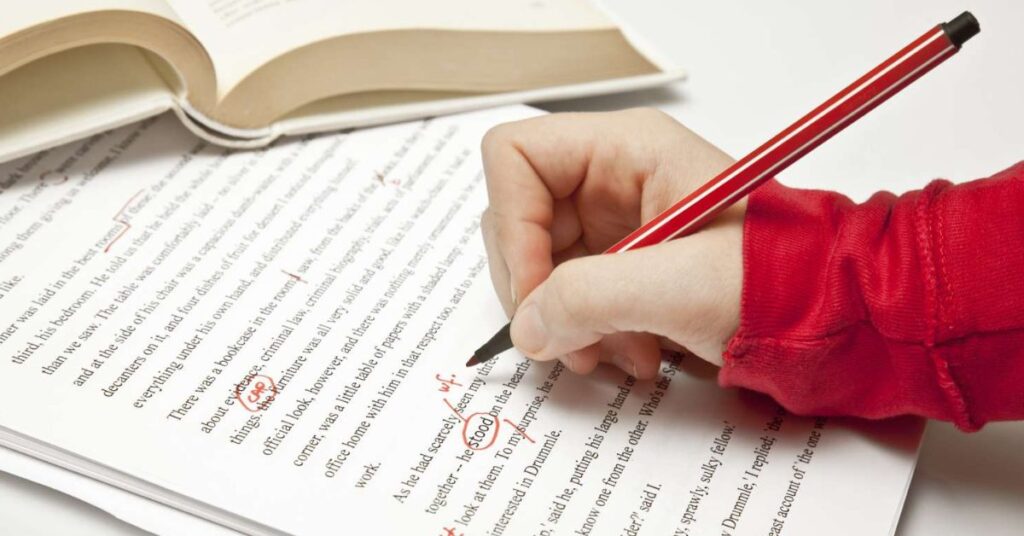
Translation is only the first step. Proofreading is the quality control layer that protects meaning, clarity, and tone. Proofreading ensures the text reads naturally, aligns with cultural expectations, and maintains brand consistency. Even experienced translators benefit from professional proofreading.
Reliable proofreading services in Malaysia act as the final filter before publication, identifying awkward phrasing, contextual errors, and structural inconsistencies that literal translation often leaves behind. We don’t want poorly reviewed translations to damage your brand reputation.
What Professional Proofreaders Actually Do
Professional proofreaders do far more than correct spelling mistakes. These are what they do when reviewing your translated pieces:
- Evaluate whether the translated content sounds as if it were originally written in the target language.
- Adjust tone, sentence flow, and vocabulary so the text feels native, not translated.
- Ensure terminology consistency, particularly in industries such as legal, medical, financial, and technical sectors.
- Act as cultural reviewers; assessing whether the tone matches audience expectations, whether a phrase might carry unintended meaning, and whether persuasive elements remain strong after translation.
- Protecting brand voice in marketing materials.
- Protecting storytelling integrity in subtitles or books.
- Protecting accuracy and compliance in legal documents.
Who Needs Proofreading Services to Avoid Literal Translation?
Proofreading is not limited to corporate reports.
You need professional review when:
- Translating books, novels, or literary works for international audiences
- Producing movie subtitles or streaming content
- Expanding marketing collateral into new languages
- Launching multilingual websites
- Helping foreign brands enter the Malaysian market
- Translating corporate profiles, annual reports, or legal contracts
- Localising e-commerce product descriptions
- Preparing cross-border PR or advertising campaigns
For foreign brands entering Malaysia, poor translation immediately signals lack of localisation effort. For Malaysian brands expanding outward, awkward English or poorly adapted content can reduce credibility abroad.
Avoiding Literal Translation Mistakes with Elite Asia’s Support
Avoiding literal translation begins with understanding context and purpose. Translators must read the entire source text before working on individual sentences. They must capture tone, intent, and audience expectations, not just vocabulary.
However, even skilled translators can overlook subtle structural issues or cultural context. That is why professional proofreading acts as a safeguard.
In business communication, there is little room for awkward phrasing or unintended humour. A poorly translated website, brochure, subtitle, or legal document can reduce trust instantly, especially when we are talking about Malaysia’s multilingual and multicultural environment.
This is where Elite Asia provides structured support. Elite Asia combines professional translation with independent proofreading and linguistic review to ensure every text reads naturally in the target language. The process includes:
- Native-language proofreaders with regional cultural knowledge
- Industry-specific terminology validation
- Tone and brand voice alignment
- Cross-checking against the original source for accuracy
- Final quality assurance before publication
For businesses expanding across Malaysia, Southeast Asia, or entering the Malaysian market from abroad, Elite Asia ensures that your message is not only accurate but also culturally appropriate, persuasive, and professionally refined. We are not only about correcting small grammar mistakes, but also protecting meaning, brand credibility, and audience trust.
Before your translated content reaches a wider audience, make sure it reflects the clarity and credibility your brand deserves. Speak with Elite Asia about professional proofreading services in Malaysia today.