Vietnamese Culture is Rising in Popularity, and This is How to Better Translate It
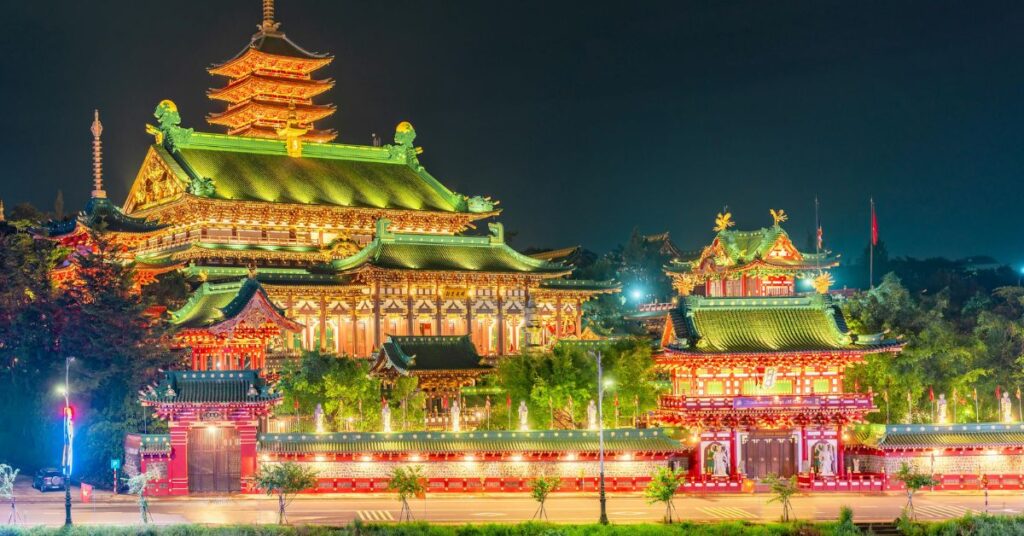
Vietnamese culture has quietly but confidently entered the worldwide spotlight. Across Southeast Asia, Vietnamese coffee shops have become gathering spaces for younger crowds, often valued as much for their atmosphere as their drinks. Vietnamese restaurants are no longer niche ethnic eateries but lifestyle destinations, filled with customers drawn to the balance of simplicity and depth that Vietnamese cuisine represents. Cities such as Hanoi and Ho Chi Minh City are increasingly admired for their visual identity, where colonial architecture, street life and contemporary design coexist in a way that feels both nostalgic and modern. Social media has amplified this fascination, turning everyday Vietnamese scenes into globally consumed cultural content.
But as interest deepens, a gap begins to show. People are no longer content with simply consuming Vietnamese culture at a distance. They want to explain it, promote it, teach it, and in many cases, build businesses around it. This is where language becomes more than a technical requirement. Without accurate translation and interpretation, Vietnamese culture risks being admired but misunderstood, visible but flattened.
Why Vietnamese Culture Is Difficult to Translate Accurately
One reason Vietnamese culture is often misunderstood abroad lies in how difficult it is to translate well. Vietnamese is deeply contextual. Meaning is shaped by tone, social relationships, history and regional nuance. A phrase that feels warm and expressive in Vietnamese can sound flat or confusing when translated literally. Cultural references embedded in food names, traditional clothing, or everyday expressions rarely have direct English equivalents. When translation is treated as a mechanical exercise rather than an interpretive one, cultural depth is lost. This is why many translated Vietnamese materials feel incomplete or oddly distant, even when technically accurate.
Take the Vietnamese word “ăn”, which technically means “to eat.” In everyday use, however, it extends far beyond food. Phrases such as ăn Tết are often translated as “eat Tet,” which sounds nonsensical in English. What the phrase actually conveys is participation; celebrating, observing traditions, spending time with family, and engaging in cultural rituals tied to the Lunar New Year. A literal translation delivers the word, but loses the cultural experience embedded within it.
Another common example is “nhà quê.” Directly translated, it means “countryside” or “rural.” Yet in spoken Vietnamese, the term can carry social nuance, sometimes implying something unsophisticated, outdated or unfashionable depending on tone and context. When translated word-for-word into English, the emotional undertone disappears, leaving readers confused as to why the phrase carries judgement or humour in Vietnamese conversations.
Translating Vietnamese Food, Fashion and Daily Life with the Right Context
Translating Vietnamese food is far from just one-click away
Food is often the first point of contact between Vietnamese culture and international audiences, but it is also where translation fails most visibly. Menus translated word-for-word may explain ingredients but strip away cultural meaning. This weakens the dining experience for international customers and reduces cultural richness to surface-level description. Professional Vietnamese to English translation service restores narrative, not just clarity.
It is not uncommon to see English translations fail on Vietnamese menus. Take gà ác, for instance. When translated word for word, gà means “chicken” and ác means “evil”, resulting in the unfortunate translation “evil chicken”. In reality, gà ác refers to a prized small black chicken often used in nourishing soups. There is no widely accepted English term for this specific breed, which makes literal translation both inaccurate and misleading.
Another example is mực nướng gia vị, which has been translated as “ink baked spices”. In Vietnamese, mực nướng simply means grilled squid. The confusion arises because mực can mean both “ink” and “squid”. The linguistic overlap is hardly accidental — squid, after all, produce ink.
This is where simple translation tools such as Google Translate often fall short. Vietnamese relies heavily on context, and many words share the same spelling but carry different meanings. Bạn can mean “you” or “friend”; mực can mean “ink” or “squid”; cút can refer to a quail or mean “go away”. The same word can also function as a noun, adjective, or adverb depending on usage.
Add to this the complexity of diacritics and tonal marks, which can entirely change a word’s meaning, and it becomes clear why Vietnamese translation demands cultural and linguistic sensitivity, not just direct word substitution.
Translating traditional fashion and heritage without losing the nuance
The same challenge appears in fashion, heritage and traditional arts. Items like the áo dài are frequently described in oversimplified terms that flatten centuries of symbolism into a single sentence. Describing traditional attire purely in functional terms strips away symbolism tied to history, femininity and national identity. Rituals, festivals and historical references are often translated in ways that assume shared cultural knowledge that international audiences do not have.
Cultural localisation ensures that explanations respect depth while remaining accessible to readers unfamiliar with Vietnamese traditions.
How Digital Content Spreads Vietnamese Culture And Where Language Limits Reach
Subtitles are essential for cultural storytelling online
Vietnamese culture increasingly reaches global audiences through video, but language determines retention.
Without accurate subtitles, viewers disengage quickly. Poorly translated captions disrupt tone, humour and pacing, reducing the emotional impact of content. Professional subtitling ensures cultural context survives the transition from Vietnamese to English.
Transcription and captions shape credibility
Clear multilingual captions signal professionalism and trust to international audiences.
For creators, tourism boards and cultural organisations, high-quality transcription and captioning directly influence how seriously content is taken. Language accuracy becomes part of brand perception, not just accessibility.
Tourism and Cultural Exchange Depend on Interpretation
Visitors increasingly seek meaning, not just visuals. Walking tours, heritage sites and cultural programmes rely on interpreters to translate stories, symbolism and historical context. Vietnamese interpreting service enables deeper engagement by allowing visitors to understand significance rather than consume information passively.
Mobile interpreting systems support modern cultural tours
Flexible interpreting technology allows communication without disrupting movement or atmosphere. For site visits or city tours, mobile systems ensure interpretation remains clear while preserving authenticity. This approach aligns with how modern cultural experiences are designed and consumed.
Interpretation for Vietnamese Content Creators
Thanks to platforms like TikTok, YouTube, and Instagram, Vietnamese creators are regularly reaching audiences in Singapore, Malaysia, Indonesia, and beyond. Food reviews filmed in Ho Chi Minh City appear on Malaysian feeds. Vietnamese fashion and lifestyle creators gain traction among Singaporean and Thai audiences.
As visibility grows, so does the need for interpretation. Cross-border collaborations are now common, with Vietnamese creators invited to co-create content with other Southeast Asian influencers, brands, or production teams. These collaborations often involve live discussions, filming sessions, interviews, or brainstorming meetings where real-time communication matters. Relying on fragmented English or ad hoc translation slows down the process and risks miscommunication. Professional Vietnamese interpreting services help smoothen these interactions, ensuring ideas flow naturally and cultural intent is preserved on both sides.
The demand becomes even more apparent during regional creator events. Platforms such as TikTok regularly organise creator summits, workshops, and networking events in hubs like Singapore. These events bring together creators from Vietnam, Malaysia, Indonesia, Thailand, and global markets, often featuring panel discussions, training sessions, and brand briefings delivered in English. Vietnamese creators attending these events require interpreters to fully engage, ask questions, and contribute meaningfully rather than passively consuming information. Interpretation allows them to participate as equals, not observers.
Interpretation also plays a critical role during live content production. When Vietnamese creators collaborate with international brands or agencies, discussions around campaign objectives, creative direction, compliance, and messaging often happen on the spot.
For creators whose work increasingly intersects with business, tourism, and cultural promotion, interpretation becomes a growth enabler rather than a support function. It allows Vietnamese voices to be heard clearly in regional conversations, helps creators build stronger partnerships across Southeast Asia, and ensures that Vietnamese cultural narratives are conveyed accurately in collaborative spaces..
Elite Asia Help Vietnamese Culture Go Global
As Vietnamese culture travels further through food, fashion, tourism and digital media, translation and interpretation are no longer support functions — they are strategic enablers.
This is where Elite Asia comes in. Through professional Vietnamese interpreting services, document translation and localisation, Elite Asia helps ensure Vietnamese culture is carried across borders accurately, respectfully and without dilution.
Elite Asia also supports Vietnamese interpreting across business, media, and event settings in Singapore and the wider Southeast Asian region, often work at the intersection of content, culture, and commerce. Their role is not to “translate creators,” but to enable smoother collaboration between Vietnamese voices and regional or global stakeholders; whether on stage at a creator summit, during a live filming session, or in strategic discussions with brands.