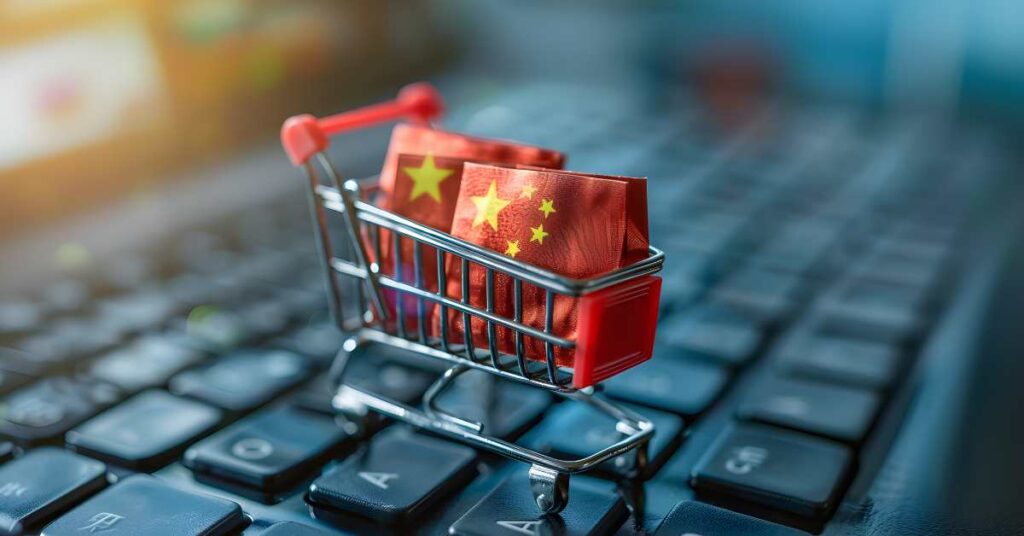
China Marketing Strategies 2026: A Complete Guide for Brands Entering China
Quick Answer
China marketing strategies in 2026 succeed by localizing beyond translation and building trust through community-driven platforms rather than one-way advertising. Winning brands treat WeChat as a CRM and loyalty engine, use Douyin for short-video commerce, and blend KOL reach with KOC authenticity to shorten the path from discovery to purchase. Speed and local decision-making matter as much as budget, since domestic rivals launch reactive campaigns within days. Tencent reported WeChat’s combined monthly active users hit 1.432 billion in Q1 2026.
Key Takeaways:
- China’s buying journey is compressed: discovery, comparison, and purchase often happen within the same platform (e.g., Douyin, Xiaohongshu), unlike the separated funnels common in Western markets.
- Platform choice should match the product category: Douyin and Xiaohongshu for lifestyle/beauty impulse buying, Zhihu and Baidu for trust-driven or high-consideration purchases, WeChat for retention.
- Domestic brands like Perfect Diary, Luckin Coffee, Saturnbird, and Xiaomi succeeded by combining platform-native content, community engagement, and fast execution rather than traditional ad spend alone.
- Brand-building (awareness, credibility, community advocacy) matters as much as performance marketing, since traffic spikes fade quickly without sustained trust signals.
- Speed and local decision-making authority are competitive advantages; brands that require lengthy approval chains risk missing fast-moving trend windows that domestic rivals capture within days.
In This Article:
- Social Media Marketing in China
- Popular Chinese Digital Marketing Channels for Brand Promotion
- Why is Marketing Important to Succeeding in the Chinese Market?
- Success Local or Domestic Brands’ Examples
- 10 China Marketing Strategies: A Comprehensive Guide
- Building a Strong Brand in China
- How to Order SEO & China Digital Marketing Services from Elite Asia
- If China Is Strategic, Marketing Cannot Be an Afterthought
Many companies enter China with a strong product, a healthy budget, and a familiar marketing playbook, then wonder why traction never comes. Traffic is weak, campaigns feel expensive, and local consumers show little interest. The issue is rarely demand alone. More often, brands underestimate how different China’s buying journey has become. Discovery happens inside platforms, trust is built through communities, and local competitors move faster than most overseas teams can approve a campaign. If your company wants to grow in China, marketing is not a support function. It is the market-entry strategy itself.
China remains one of the most commercially important consumer markets in 2026, but it rewards relevance, speed, and local understanding. What works in Singapore, Europe, or the United States may not translate directly. This guide explains how China marketing strategies work today, which channels matter, and what foreign brands can learn from successful domestic players.
Social Media Marketing in China
Social media in China is not simply about awareness. It is where people research products, compare opinions, follow creators, watch demonstrations, ask questions, and purchase. In many categories, the path from discovery to transaction happens within the same platform.
Why Social Platforms Matter More Than Traditional Ads
Many markets still separate branding from selling. China often blends both. A consumer may discover a skincare product through a creator video, read comments, compare user reviews, and buy immediately. That compressed decision cycle means your content must do more than look polished. It must persuade quickly.
Community Engagement Builds Trust
Chinese consumers place a high value on peer feedback. Comments, reposts, community recommendations, and user discussions influence perception. A brand with active engagement often appears more credible than one running expensive but one-way campaigns.
Short Video Commerce Has Changed Buying Behaviour
Short-form video is now central to product discovery. Demonstrations, before-and-after results, founder stories, factory tours, and live selling sessions can move buyers faster than static ads. If your company still relies only on image banners, you may be competing with yesterday’s tools.
KOLs and KOCs Serve Different Purposes
Key Opinion Leaders bring reach. Key Opinion Consumers bring relatability. A celebrity creator may introduce your brand to millions, while smaller creators often generate stronger trust and conversion. Smart brands use both rather than choosing one side.
Speed Wins Attention
Chinese digital culture moves quickly. Trends rise and fade fast. Domestic brands often launch reactive campaigns within days. Foreign firms that require weeks of approvals can miss the moment entirely.
READY TO WIN ACROSS ASIA’S DIGITAL LANDSCAPE?
Your competitors are already speaking the local language. Don’t fall behind.
- Multilingual SEO — get discovered on Baidu, Google & local platforms
- Transcreation — copy that feels native, not foreign
- Social & video content — localised for every Asian platform
- Regional expertise — SE Asia, China, Japan & Korea covered
Popular Chinese Digital Marketing Channels for Brand Promotion
Choosing the right channels matters as much as the message itself. China does not run on the same platform logic many global teams are used to.
WeChat is far more than messaging. It functions as CRM, customer service hub, loyalty tool, payment gateway, and content platform. Official accounts and mini-programmes allow brands to build long-term relationships rather than chasing one-off clicks.
Weibo remains valuable for public visibility, trending discussions, and celebrity-led exposure. It is useful when your campaign needs scale and conversation.
Douyin
Douyin dominates short-video commerce. It is particularly strong for beauty, food, lifestyle, fashion, gadgets, and impulse-friendly categories. Good storytelling and strong hooks matter more than corporate polish.
Bilibili
Bilibili is influential among younger, engaged audiences who value depth and authenticity. It suits gaming, education, technology, hobbies, and brands willing to invest in richer content.
Baidu
Baidu still matters because search intent matters. When consumers actively search for solutions, reviews, or brand legitimacy, visibility on Baidu can influence serious purchase decisions.
Xiaohongshu
Xiaohongshu is powerful for lifestyle discovery and recommendation-led shopping. Beauty, wellness, travel, fashion, interiors, and premium consumer goods often perform well here.
Zhihu
Zhihu is valuable when trust and expertise matter. Finance, healthcare, education, B2B services, and technology brands can use it to build authority through informed content.
Other Related Articles:
Why is Marketing Important to Succeeding in the Chinese Market?
Some companies assume a good product will naturally gain momentum. In China, that assumption can be costly. Consumers have abundant choice, strong domestic alternatives, and sophisticated expectations. If they do not understand why your brand matters, they move on quickly.
Marketing shortens that distance. It explains your relevance, proves credibility, and creates familiarity before the first purchase. For foreign brands, especially, visibility often acts as reassurance. If no one is discussing your brand, many buyers question whether it matters.
Marketing also helps companies compete beyond price. Domestic competitors may be faster and cheaper. Your advantage may instead come from story, innovation, premium quality, specialist expertise, or international heritage. Good marketing turns those strengths into demand.
Success Local or Domestic Brands’ Examples
Foreign brands often study global leaders while ignoring what Chinese domestic companies are doing right now. That can be a mistake. Get to know what these Chinese local brand are doing right and see what your brand can apply. Observe how closely they align marketing with how Chinese consumers actually behave.
Perfect Diary
Perfect Diary is a Chinese beauty and cosmetics brand launched in 2017, known for targeting younger consumers with affordable but trend-driven makeup products. It grew rapidly by combining digital-native branding, influencer seeding, and platform-first execution, showing that beauty buyers wanted aspiration and accessibility at the same time.
Saturnbird
Saturnbird is a Chinese coffee brand recognised for its instant specialty coffee products and highly distinctive packaging. It gained attention through colourful, shareable product design and premium positioning, proving that packaging itself can become a marketing channel on social media.
Luckin Coffee
Luckin Coffee is a Chinese coffee chain founded in 2017 that challenged traditional café models through app-based ordering and pickup convenience. It built convenience into the brand itself through fast fulfilment, aggressive digital promotions, and dense customer engagement, showing that operational ease can be a powerful marketing message.
Xiaomi
Xiaomi is one of China’s largest technology brands, best known for smartphones, smart home devices, and consumer electronics. It built strong community loyalty by offering high-value products, active fan engagement, and a connected ecosystem strategy, where customers were buying into a wider lifestyle system rather than a single device.
10 China Marketing Strategies: A Comprehensive Guide
1. Localise Beyond Translation
Direct translation is rarely enough. Your messaging should reflect local buying motivations, humour, tone, and expectations.
2. Build a WeChat Foundation
If your company wants repeat business, customer retention matters. WeChat helps brands manage service, loyalty, and ongoing communication.
3. Use KOCs for Trust
Smaller creators often outperform celebrities when authenticity matters. Realistic advocacy can be more persuasive than polished endorsement.
4. Invest in Douyin Commerce
Short-video selling is no longer optional for many consumer sectors. If your category can be demonstrated, it can be sold through video.
5. Optimise for Baidu SEO
When buyers search directly, they are often closer to purchase. Ranking for the right Chinese keywords can produce efficient long-term demand.
6. Design for Shareability
Packaging, unboxing moments, visuals, and brand aesthetics can amplify reach without extra media spend.
7. Use Festivals Properly
Chinese New Year, Singles’ Day, 618, and seasonal moments create strong demand windows. But campaigns should feel thoughtful, not superficial.
8. Move Faster Operationally
Local teams need authority to respond quickly. Slow approvals can be more damaging than imperfect creative.
9. Use Data Relentlessly
China’s platform ecosystem offers strong performance feedback. Winning brands test, adjust, and improve constantly.
10. Work With Local Experts
Even strong internal teams benefit from market specialists who understand platform rules, content expectations, and consumer signals.
Building a Strong Brand in China
Many foreign brands can generate short-term traffic in China, yet struggle to stay remembered once the campaign budget slows down. If consumers do not recognise your name, trust your reputation, or understand why you matter, repeat growth becomes difficult. This is where many market-entry plans fall short: they focus on acquisition before building belief. Performance marketing can create spikes, but brand strength creates staying power.
- Importance of Brand Awareness: Unknown brands struggle because buyers hesitate. Familiarity reduces perceived risk. Your company needs repeated, consistent visibility.
- Developing Brand Credibility: Reviews, creator mentions, reliable service, transparent communication, and platform presence all shape trust. Credibility is built through many small signals.
- Localisation Strategies for Branding: An international brand should remain recognisable, but not rigid. Naming, tone, colours, campaigns, and storytelling may need adaptation for China.
- Community-Led Growth: Strong Chinese brands often turn customers into advocates. Referral culture, user content, and community belonging can lower acquisition costs over time.
- Showing Long-Term Commitment; Consumers can sense when a brand is testing casually versus investing seriously. Local hiring, responsive service, regular campaigns, and consistent presence all send the right signal.
How to Order SEO & China Digital Marketing Services from Elite Asia
Elite Asia’s digital marketing services help businesses expand into Asian markets — from multilingual SEO to WeChat marketing and Baidu optimisation. Here is exactly how to get started.
Step 1: Identify Your Service Need
Visit the Elite Asia Digital Marketing page and identify which service aligns with your business goal:
| Service | What It Does |
|---|---|
| Multilingual SEO | Keyword research, on-site & off-site SEO, content building, and performance reporting across Asian markets |
| Website Development | Design and develop market-specific websites that appeal to target demographics in Asia |
| Content Generation | Strategic content creation to connect with your audience and drive growth |
| China Digital Marketing | WeChat marketing, Baidu SEO, and Sina Weibo management to reach Chinese users |
| Transcreation | Recreate your marketing content in another language to preserve brand voice and emotional impact |
Step 2: Determine Your Target Market & Goals
Before reaching out for a quote, clarify the following so Elite Asia can tailor the right strategy for you:
- Target market — which countries or regions? (Singapore, Malaysia, China, Indonesia, etc.)
- Target language(s) — e.g. Simplified Chinese, Bahasa Indonesia, Thai, Vietnamese
- Campaign objective — brand awareness, lead generation, organic traffic growth, or social selling
- Platform focus — Baidu (Chinese Google), WeChat, Sina Weibo, or general Asian search engines
💡 China-specific note: If you are targeting Chinese consumers, Elite Asia’s China Digital Marketing service is specifically designed for businesses that do not have a registered company in China, want to market to Chinese audiences globally, or wish to build brand awareness within Chinese communities.
Step 3: Choose Your China Digital Marketing Path (If Applicable)
If your goal is to enter or grow in the Chinese market, Elite Asia provides the full WeChat Marketing Journey:
- Official Account Registration — set up a Subscription Account or Service Account on WeChat
- Account Setup — configure menus, auto-replies, and welcome messages in Chinese
- Follow Acquisition — grow followers through articles, campaigns, broadcasts, promotions, hot topics, and tips
- Customer Interaction — engage your audience via votes, direct messages, and surveys
- Monthly Reporting — Elite Asia analyses results and provides performance reports each month
Step 4: For SEO — Know What’s Included
If you are ordering multilingual SEO for Asian markets, Elite Asia’s service covers the full stack:
- Keyword Research — identifying high-intent search terms in your target language and market
- On-Site SEO — optimising page titles, meta descriptions, headings, and content
- Off-Site SEO — link building and authority signals in the target market
- Content Building — localised content creation to support organic rankings
- Performance Report & Marketing Calendar — regular reporting and a forward-looking content and campaign plan
Step 5: Request a Free Quote
Submit your digital marketing enquiry through either of these channels:
✅ Option A — Online Quotation Form
Go to eliteasia.co/request-free-quotation/ and select “Corporate” as your request type. Include the following details:
- Service type (SEO, China Digital Marketing, Transcreation, etc.)
- Target market and language(s)
- Current website URL (if applicable)
- Campaign goals and timeline
✅ Option B — Direct Contact
Reach the Elite Asia marketing localisation team directly:
- 📞 Singapore: +65 6681 6717 (Mon–Fri, 9 AM–6 PM, GMT+8)
- 📞 Hong Kong: +852 3904 1138
- 📞 Malaysia: +60 3 9212 8558
- 💬 Live Chat / WhatsApp available on the Digital Marketing page
Step 6: Strategy Consultation & Proposal
Once Elite Asia receives your enquiry, the marketing localisation team will schedule a consultation to understand your business objectives in detail. They will then prepare a tailored proposal covering:
- Recommended platforms and channels
- Language and cultural localisation strategy
- Proposed campaign timeline and deliverables
- Pricing and package options
Step 7: Confirm Your Order & Onboarding
Once you agree to the proposal and pricing, confirm your order and proceed with payment. Elite Asia’s team will begin onboarding, which includes:
- Setting up or verifying your accounts on relevant platforms (WeChat, Baidu, Weibo, etc.)
- Aligning on brand voice, tone, and Chinese copywriting guidelines
- Establishing your content calendar and first-month deliverables
Step 8: Campaign Execution & Monthly Reporting
With everything in place, Elite Asia executes the campaign — creating content, managing accounts, and monitoring performance. Every month you receive a performance report covering traffic, rankings, follower growth, and engagement metrics, so you always know how your investment is working.
If China Is Strategic, Marketing Cannot Be an Afterthought
China is not a market where brands can simply arrive and expect momentum. It rewards those who respect local behaviour, move quickly, and communicate with clarity. Your company does not need to imitate every domestic brand, but it does need to understand why they win. The real question is not whether China is competitive. It is whether your current strategy is competitive enough for China.
For brands planning entry, expansion, or localisation, Elite Asia supports businesses with Chinese marketing localisation, transcreation, multilingual content, and market-ready communication strategies built for growth in China.
Elite Asia’s team covers 30+ languages across Singapore, Malaysia, Hong Kong, Japan, South Korea, China, Taiwan, and Thailand — with full technical support, ISO 9001:2015 certification, and a dedicated MICE division ready to support your next event.



Frequently Asked Questions (FAQs)
1. Is a good product enough to succeed in China?
No. Chinese consumers face abundant domestic alternatives, so marketing is needed to explain relevance, build credibility, and create familiarity before purchase.
2. Which platform should a foreign brand start with?
WeChat is the common foundation because it combines CRM, customer service, loyalty, and payments, letting brands manage long-term relationships rather than one-off clicks.
3. Are KOLs or KOCs more effective?
Both serve different roles: KOLs (Key Opinion Leaders) drive reach and awareness, while KOCs (Key Opinion Consumers) drive trust and conversion through relatable, authentic content.
4. Why do foreign campaigns often underperform despite big budgets?
Slow internal approvals prevent brands from reacting to fast-moving trends, while local competitors launch reactive campaigns within days.
5. Does translation alone count as localization?
No. Effective localization adapts tone, humour, buying motivations, and cultural expectations, not just language, to match how Chinese consumers actually think and shop.


Last Modified:
Contact Us
Working across languages? Our team can support your company’s translation and interpretation needs. For business enquiries, get in touch to explore what fits your requirements.
Request a Quote